
Glencairn Glasses vs. Traditional Glassware, Explained
Posted by Carson C. on 27th Jan 2026
Pouring a twenty-year-old single malt into a standard plastic cup feels like a crime against craftsmanship. The vessel holding the spirit dictates the drinking experience just as much as the distillation process itself. For distillery owners, event planners, and bar managers, selecting the proper glassware impacts how customers perceive flavor, aroma, and overall quality.
Making this choice requires an understanding of the mechanics of flavor perception and glass design. Your tasting room guests rely on you to present your spirits in their best light. This comparison of Glencairn glasses and traditional glassware will help you select the best inventory for your business needs without the guesswork.
The Evolution Of Whisky Glassware
Raymond Davidson, the founder of Glencairn Crystal, sketched the initial design for the Glencairn glass in 1981. He identified a market gap. Champagne had the flute. Brandy had the snifter. Whisky, a spirit known for complexity, lacked a definitive vessel. Drinkers primarily relied on whatever sat on the shelf, usually a straight-sided tumbler or a copita stolen from the sherry world.
Production stalled for two decades. The glass finally reached the market in 2001 after Davidson consulted master blenders from five of Scotland's largest whisky companies. These experts provided the insight needed to refine the shape. They required a glass that allowed easy nosing while standing up to the rigors of a bar environment. The resulting design won the Queen's Award for Innovation in 2006, cementing its status as the industry standard.
Anatomy Of The Glencairn
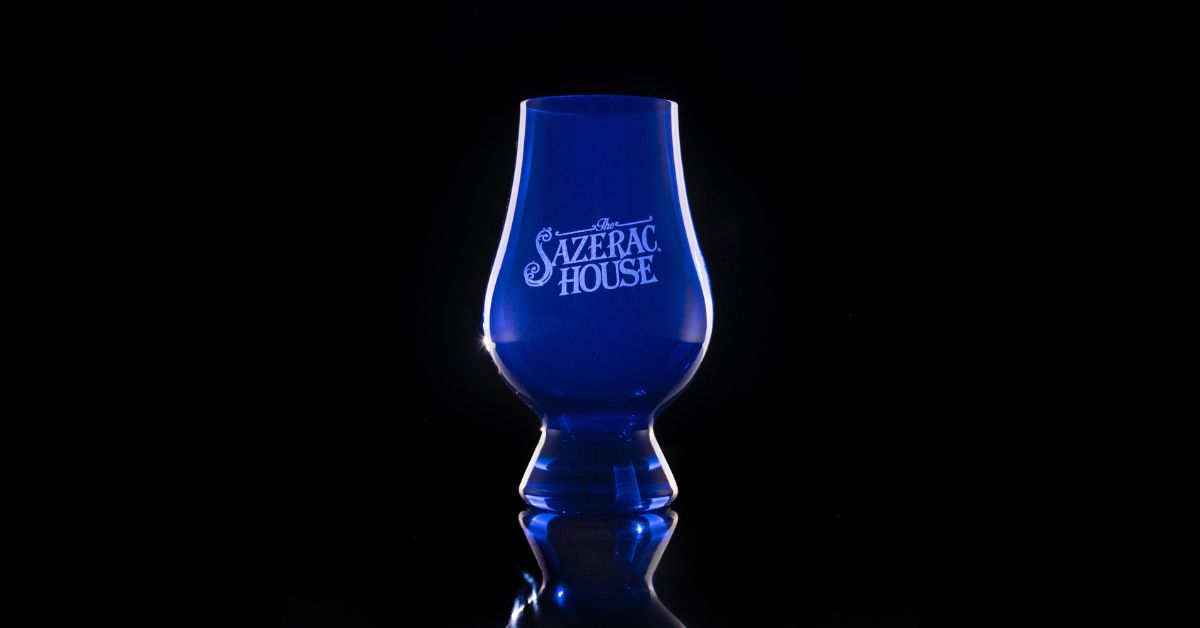
In the Glencairn, function dictates form. Every curve is meticulously engineered for the ultimate tasting ritual. The wide crystal bowl invites you to appreciate the whisky's rich hues, while swirling the liquid in this bulbous section unlocks a symphony of volatile compounds.
Unlike a standard tumbler, the tapered mouthpiece captures and concentrates these vapors as they rise. By funneling the aromas directly to your nose, the design intensifies the flavor profile, revealing delicate notes of vanilla, toasted oak, or smoke that would otherwise vanish.
A robust base ensures the glass stays firmly on any bar top, providing stability where stemmed glassware might fail. Its compact height naturally encourages you to cup the bowl, allowing the warmth of your hand to open the bouquet and gently elevate the overall experience.
The Traditional Rocks Glass
Walk into any dive bar or high-end lounge, and you will see the rocks glass. Also known as the Old Fashioned or lowball, this vessel features a wide brim and a thick, heavy base. Its ubiquity makes it the default choice for many whiskey drinkers.
The rocks glass serves specific purposes well. Its wide opening accommodates large ice cubes or whiskey stones with ease. Bartenders appreciate a sturdy base when muddying cocktail ingredients. For a customer who prefers their spirit "on the rocks" or mixed into a cocktail, this glass works perfectly.
However, the design fails to be neat-tasting. The wide, straight sides allow aromas to escape rapidly. Instead of funneling the scent to the nose, the glass allows it to dissipate throughout the room. The drinker loses the initial olfactory hit that defines a high-quality spirit. While excellent for a casual drink, the tumbler struggles to showcase the nuances of a complex single malt or bourbon.
The Copita And The Snifter
Before the Glencairn, serious tasters often used the copita, a stemmed, tulip-shaped glass derived from Spanish sherry dock glasses. Master blenders favored it for its narrow opening, which effectively trapped aromas. The snifter, with a wider bowl and shorter stem, operates similarly and is traditionally used by brandy drinkers to warm the spirit. Both glasses excel at enhancing aromas.
However, their delicate stems are prone to snapping during washing or handling, especially in busy tasting rooms, and their formal appearance can deter casual visitors. The Glencairn solved these issues by combining the copita’s aroma-enhancing design with the durability of a tumbler.
Improving The Sensory Experience
Taste isn’t just about the tongue; the nose plays a massive role in how we perceive flavor. A glass that captures aroma fundamentally changes how a spirit tastes.
When you pour the same bourbon into a rocks glass and a Glencairn, the difference is clear. The rocks glass emphasizes the ethanol burn, causing subtler notes to get lost. In contrast, the Glencairn directs ethanol away from the nose while concentrating on heavier aromatic compounds such as caramel, fruit, and spice.
For a distillery selling bottles based on their unique flavor profiles, the proper glassware is a powerful sales tool. It accurately presents the product by highlighting its craftsmanship rather than its alcohol content.
Branding And Visual Impact
Your glassware acts as a silent ambassador for your brand. A plain glass blends into the background, but a branded vessel brings the customer home, sits on their shelf, and reminds them of their visit every time they pour a drink. Merchandise sales also provide a robust revenue stream for tasting rooms.
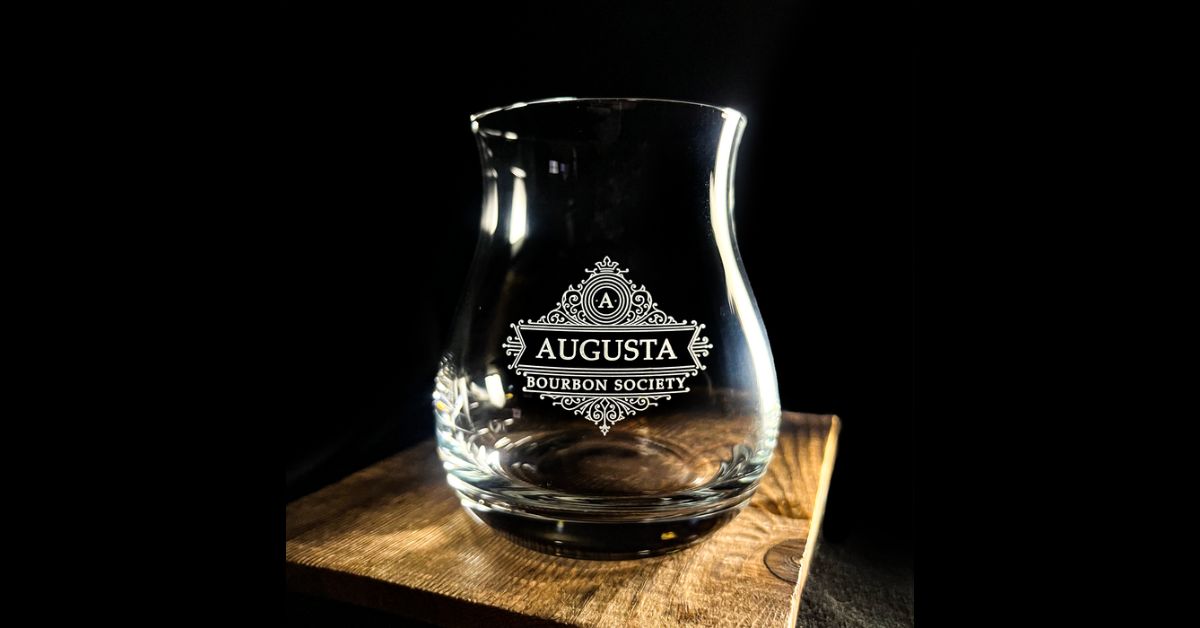
High-definition laser engraving allows for intricate designs that withstand repeated washing. Offering a custom logo on Glencairn glass elevates the perceived value of your merchandise. Customers view these items as collectibles rather than simple souvenirs. The association with the official Glencairn brand adds a layer of authenticity that generic glassware cannot match.
Durability In Operations
Breakage reduces profits for distilleries and event spaces that handle hundreds of glasses daily. Glasses must withstand dishwashers, stacking, and drops. Lead-free crystal, used for most Glencairn glasses, offers clarity and strength without health concerns or weak stems.
Traditional rocks glasses are durable with thick bottoms and walls, but they often compromise flavor presentation, which matters for tasting businesses. The ideal glass endures dishwashers and effectively conveys the spirit.
Choosing The Right Tool For The Job
Selecting inventory involves balancing function, cost, and customer experience.
Choose the Glencairn for:
- Tasting Flights: The size (holding around 6 oz, but intended for a 1.7 oz pour) suits sampling perfectly.
- Neat Serves: Customers ordering premium spirits want the whole sensory experience.
- Retail Merchandise: Enthusiasts recognize the shape and value the brand.
- Educational Events: When teaching guests about nosing and tasting notes, the proper tool aids the lesson.
Choose the Rocks Glass for:
- Cocktails: An Old Fashioned or Sazerac needs the space and muddling capability.
- Spirits on Ice: The Glencairn opening prevents the use of large ice cubes.
- High-Volume Casual Events: If the focus lies on consumption rather than appreciation, the lower cost and high durability of simple tumblers make sense.
The Verdict On Value
Price often drives the final decision for B2B buyers. Generic tumblers cost less per unit. Yet, viewing glassware strictly as a cost center misses the point. The glass creates value by enhancing the product.
If a customer enjoys the whisky more because they can smell the nuanced notes, they buy a bottle. If the glass looks elegant, they buy a set to take home. The return on investment for specialized tasting glassware comes from increased product sales and merchandise revenue.
Elevate Your Tasting Experience
The vessel defines the experience. Choosing between Glencairn glasses and traditional glassware is the difference between a simple drink and a sensory journey. The Glencairn offers that flawless balance of sensory enhancement, rugged durability, and undeniable aesthetic appeal.
Distillery Products offers top-quality wholesale glassware solutions that enable you to showcase your spirits with pride. Our high-definition engraving ensures you're not merely serving a drink but also embedding your brand into the customer's hand, creating a memorable impression that showcases your craftsmanship.
Contact us today to request a quote on custom glassware for your distillery or event.