
Highball vs. Lowball Glasses: Which Fits Your Whiskey?
Posted by Carson C. on 30th Dec 2025
Serving a premium spirit in the wrong vessel diminishes the experience. The weight, rim shape, and volume dictate how the liquid hits the palate and how the aromas disperse. Distilleries and bars spend years perfecting their mash bills and aging processes. Presenting that labor of love demands equal attention to the final delivery method.
Glassware choices define the drinking ritual. A heavy base signals solidity and tradition, while a tall, slender column suggests effervescence and refreshment. Selecting between these two staples requires understanding how physics and geometry influence flavor.
Which is better: highball or lowball glasses for whiskey? The answer lies in the specific interaction between the spirit, the mixer, and the ice.
Defining The Highball Glass
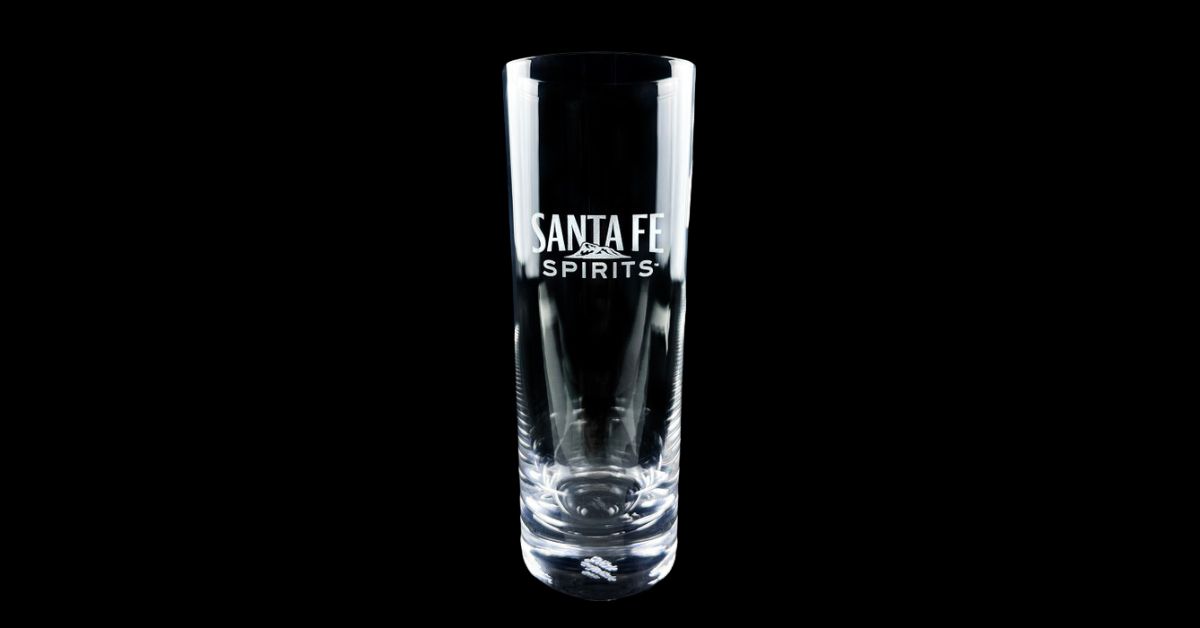
Bartenders and enthusiasts recognize the highball glass by its height and chimney-like structure. This vessel typically holds between 8 and 12 fluid ounces (240 to 350 milliliters). Its verticality serves a distinct purpose beyond aesthetics.
The tall column reduces the liquid's surface area relative to its volume. This geometric trait preserves carbonation. Bubbles have a longer distance to travel before escaping, keeping drinks like Scotch and soda fizzy for longer.
A standard highball glass differs slightly from a Collins glass, though many use the terms interchangeably. A Collins glass is generally taller and narrower, holding up to 14 ounces, while a highball is shorter and stouter.
Ice Stacking And Dilution
The narrow diameter of a highball glass forces ice cubes to stack directly on top of one another. This stacking arrangement creates a column of cold that chills the liquid as it travels from the bottom of the glass to the drinker's lips. The structure maintains a consistent temperature throughout the drink.
Furthermore, the limited surface area at the top of the glass slows the melting process compared to a wider vessel exposed to more ambient air. A slow dilution rate is essential when serving long drinks, where the balance between the spirit and the carbonated mixer must remain consistent from the first sip to the last.
Analyzing The Lowball Glass
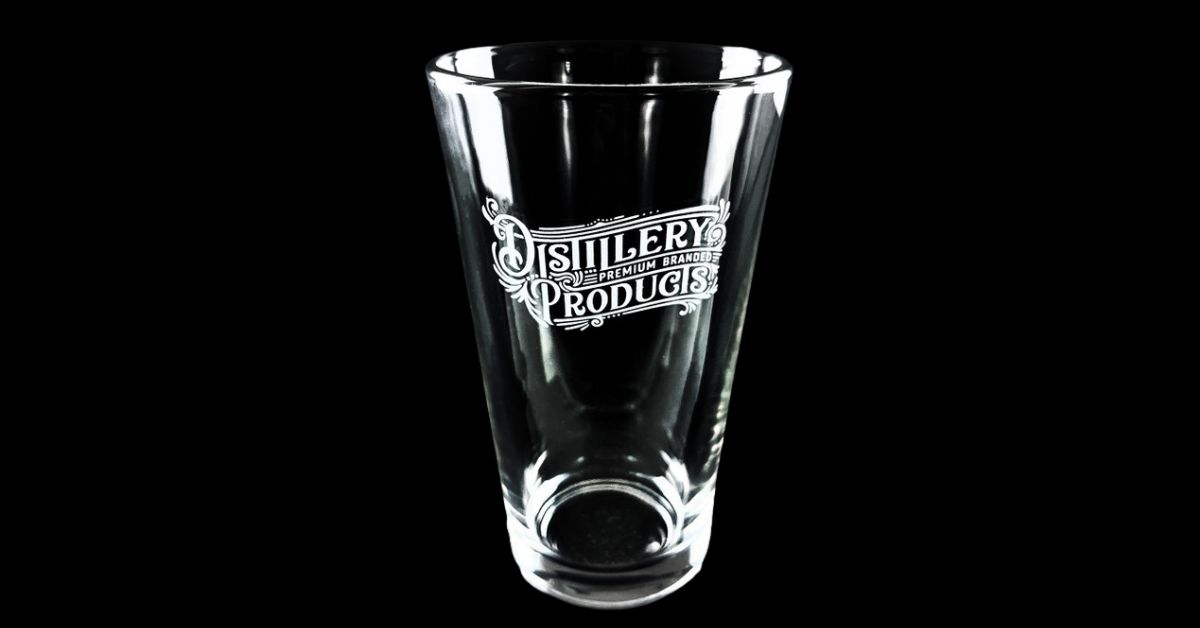
The lowball glass, also called the rocks or Old Fashioned glass, has a short, wide tumbler shape with a thick, heavy base. It typically holds 6-10 ounces, while a Double Old Fashioned (DOF) glass holds 12-14 ounces.
The wide brim enhances the drinking experience by bringing the nose closer to the spirit, heightening the perception of aromatics. This design emphasizes key flavors like oak, caramel, and vanilla in aged whiskeys.
The Function Of The Heavy Base
The thick bottom of a lowball glass serves a mechanical function. It withstands the pressure of muddying. Bartenders preparing an Old Fashioned often crush sugar and bitters directly in the glass. A fragile vessel would shatter under the muddler's force.
The added weight also provides stability and a tactile sense of quality. Holding a heavy glass imparts a psychological feeling of drinking something substantial and premium.
The Physics Of Carbonation And Aroma
Choosing the appropriate glassware depends on your drink's molecular behavior. Highball glasses are perfect for managing carbonation. Their narrow opening minimizes gas exchange, keeping carbon dioxide dissolved in the liquid longer. This is essential for a whiskey highball, where preserving the soda water's sharp bite is mandatory.
Lowball glasses, however, prioritize aroma. Neat pours and spirit-forward cocktails release potent ethanol vapors. The wide mouth of a lowball glass allows some of this ethanol to dissipate, letting the whiskey's complex character shine through without overwhelming your senses.
Ice Management And Temperature Control
Ice shapes the flow of a drink. In a lowball glass, the wide diameter fits large ice spheres or king cubes, which melt slowly due to their low surface-area-to-volume ratio. This chills whiskey without quickly diluting it, ideal for top-shelf bourbons or ryes served on the rocks, where minimal dilution is key.
In a highball glass, stacked ice creates obstructions that force the liquid to flow around it, naturally mixing the spirit and soda. This ensures consistent flavor. However, low-quality ice in a highball can result in a watery drink. Dense ice cubes keep it refreshing without sacrificing taste.
Selecting The Right Vessel For The Serve
Your menu dictates your glassware. For drinks with mixers like ginger ale, soda, or tonic, a highball glass is the perfect choice. Its larger capacity ensures the proper spirit-to-mixer ratio and leaves plenty of room for ice. Using a lowball for a whiskey ginger would create an overly strong, unbalanced drink with too little ice.
For straight spirits and spirit-forward cocktails like an Old Fashioned or Sazerac, a lowball or rocks glass is ideal. This glass highlights the spirit’s color and aroma, offering a superior sensory experience. Serving a neat pour in a highball leaves too much space, making the drink look sparse and trapping its aromas.
Branding Through Glassware Weight And Feel
Customers judge a distillery or bar by the tactile details. A flimsy, lightweight glass communicates cheapness. A glass with heft communicates value. The lowball glass, with its weighted puck, naturally feels expensive. It anchors the drink.
Highball glasses require careful selection to avoid feeling fragile. Manufacturers often reinforce the rims to prevent chipping, but the walls remain thinner than those of a rocks glass. Choosing a highball with a slightly weighted base can bridge the gap, offering the elegance of the tall shape with the reassuring weight of a tumbler.
Customization And Visual Identity
Glassware offers a canvas for brand identity. The vertical space of a highball glass provides ample room for logos or etched designs that run the length of the vessel. The liquid inside often contrasts with the etching, making the brand pop.
The lowball glass offers a different visual opportunity. The etching on the bottom of the glass becomes visible as the guest finishes the drink. Alternatively, a logo on the side of a rocks glass sits next to the liquid, associating the brand directly with the whiskey's rich amber color.
Practical Considerations For Service
Operations also influence the choice. Lowball glasses stack more easily in storage and fit comfortably in standard dishwashing racks. Their lower center of gravity makes them harder to knock over, reducing breakage rates in busy taprooms.
Highball glasses require more vertical storage space. They are more easily knocked over due to their height. However, their specific utility for mixed drinks makes them non-negotiable for a complete bar setup. A distillery serving only neat pours might skip the highball, but any venue offering a cocktail program needs both distinct shapes to service the menu correctly.
Make Your Mark With Glassware
Detail-oriented service sets memorable distilleries apart from forgettable ones. The weight of the glass, the clarity of the crystal, and the logic behind the shape all contribute to the final perception of the whiskey. Whether the menu calls for the effervescence of a highball or the contemplative sipping of a lowball, the vessel must match the intent.
Take the opportunity to align the physical product with the brand's aesthetic. A logo etched into premium glass serves as a constant reminder of quality. For those ready to upgrade their presentation, which highball or lowball glass fits your whiskey?
The answer is often both, provided they meet the highest standards of craftsmanship. Distilleries looking to impress should browse our selection of engraved highball glasses to find the perfect match for their cocktails.