The History and Evolution of the Glencairn Glass
Posted by Carson C. on 30th Nov 2025
For centuries, spirits like brandy and wine had specific glassware shaped to complement their unique characteristics. Whisky, however, one of the world's most robust spirits, lacked a definitive glass to call its own. It was served in anything from tumblers to snifters.
This changed with the creation of a vessel now globally recognized as the official glass for whisky. The history and evolution of the Glencairn glass tells a story of vision, collaboration, and a deep appreciation for the spirit itself.
The Problem With Traditional Glassware
Before the Glencairn glass, whisky connoisseurs faced a real dilemma. Distillers and enthusiasts alike sought the perfect vessel. Yet, no existing glass truly honored the spirit. A variety of options were used. But every attempt fell short. None could fully enhance the essential nose and taste experience.
For example, a common rocks glass or tumbler was often used by default. However, their design hampered the appreciation. Its wide opening allowed complex aromas to escape easily. Those delicate, intricate notes vanished much too quickly. The subtle bouquet was lost before it could be enjoyed. This meant a proper tasting was significantly compromised. It failed to truly focus on the whisky's core qualities.
Another option, the copita or sherry glass, features a long stem and a tulip shape that effectively captures aromas. However, many drinkers found its delicate and somewhat formal design unsuitable for the more casual, robust environment of a bar or distillery tasting room. There was a clear need for a glass that combined the sensory benefits of a nosing glass with the practicality and sturdiness of a tumbler.
A Vision for the Perfect Whisky Glass
The journey of the Glencairn glass started with one man's vision. Raymond Davidson, the founder of the Scottish crystal company Glencairn Crystal, recognized a market gap. He set out to design a glass specifically for the whisky drinker. His concept drew inspiration from the traditional copita, aiming to create a shape that would encourage the user to appreciate the whisky's nose and palate.
Davidson's design featured a few distinct characteristics:
- A wide bowl to showcase the whisky's color.
- A tapering mouth to capture and concentrate the aromas.
- A solid, sturdy base that felt comfortable in the hand.
He wanted to create a glass that not only functioned well but also had an aesthetic appeal worthy of the fine spirits it would hold. The initial design was drafted, but for nearly two decades, it remained unrealized. It waited for the right moment and the right collaborators to bring it to life.
Collaboration With Master Blenders
The turning point came when Davidson’s sons revisited their father’s original sketches. They recognized the design's potential and decided to pursue its development. They knew that for the glass to be accepted by the industry, it needed the endorsement of the most respected figures in the whisky world: the master blenders.
Glencairn Crystal assembled a team of master blenders from five of the largest Scotch whisky distilleries. This collaboration proved instrumental in refining the design. The blenders provided invaluable expertise on how the size and shape of the glass could influence the sensory experience.
Through their guidance, the glass was perfected to:
- Accommodate a standard 35ml pour, the typical measure for a dram.
- Allow space for adding a splash of water, a common practice to open up the whisky's flavors.
- Maintain an optimal amount of liquid in contact with the air, which helps the aromas to develop and circulate.
The Perfect Balance of Form and Function
The result of this meticulous design process was a vessel that perfectly balanced form and function. The wide bowl was designed to showcase the whisky's color, allowing enthusiasts to appreciate its visual appeal fully.
Meanwhile, the solid, sturdy base ensured the glass was robust enough to withstand the demands of a lively bar setting or a casual gathering at home. After this thoughtful and collaborative effort, the iconic Glencairn glass was finally ready to make its debut and revolutionize the whisky-drinking experience.
The Official Whisky Glass Is Born
The Glencairn glass officially launched in 2001 and quickly gained traction. It became the first whisky glass endorsed by the Scotch Whisky Association, cementing its status as the definitive glass for whisky. Distilleries across Scotland, Ireland, and Wales adopted it for their tasting rooms, and it soon spread to the United States and beyond. Today, it appears at major whisky festivals and in the hands of serious enthusiasts worldwide.
The success of the Glencairn glass has been remarkable. Just five years after its launch, in 2006, it received the prestigious Queen's Award for Innovation, a testament to its groundbreaking design. Annual sales now exceed three million glasses, and it is available in over 90 countries.

Variations and Modern Iterations
The success of the original Glencairn glass led to the development of a full range of glassware. Each new item was designed for a different purpose or preference. The brand has continued to innovate, meeting the evolving needs of whisky drinkers around the globe.
Popular Variations
- The Canadian Glencairn: A larger version of the original, designed to accommodate Canadian whisky, which is often served with ice.
- The Wee Glencairn: A smaller version, often used by distilleries for serving samples or by subscription clubs.
- The Cut Crystal Glencairn: An elegant version featuring decorative cuts, adding a touch of luxury to the tasting experience.
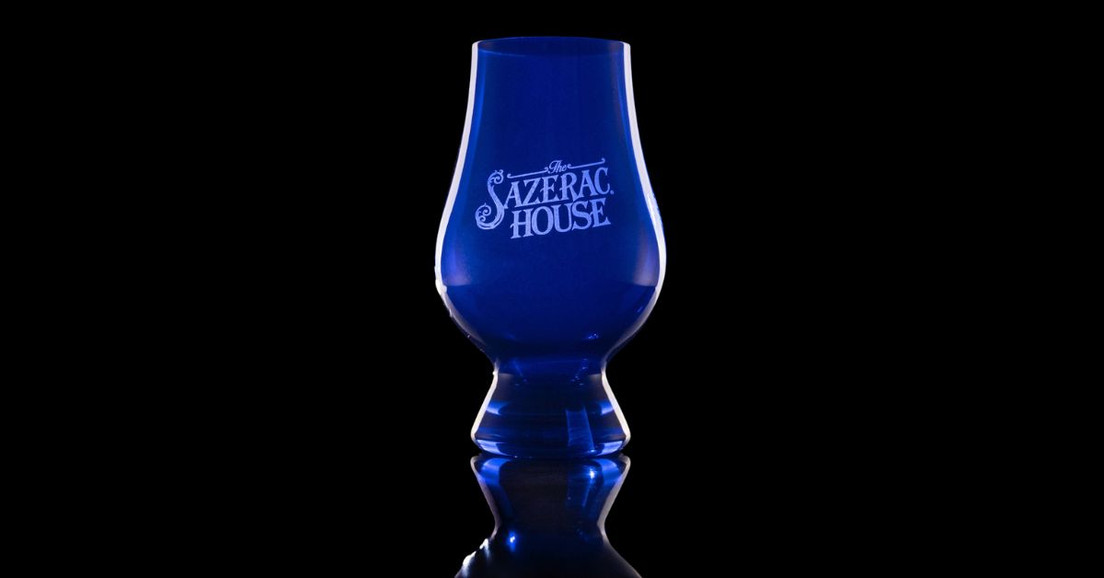
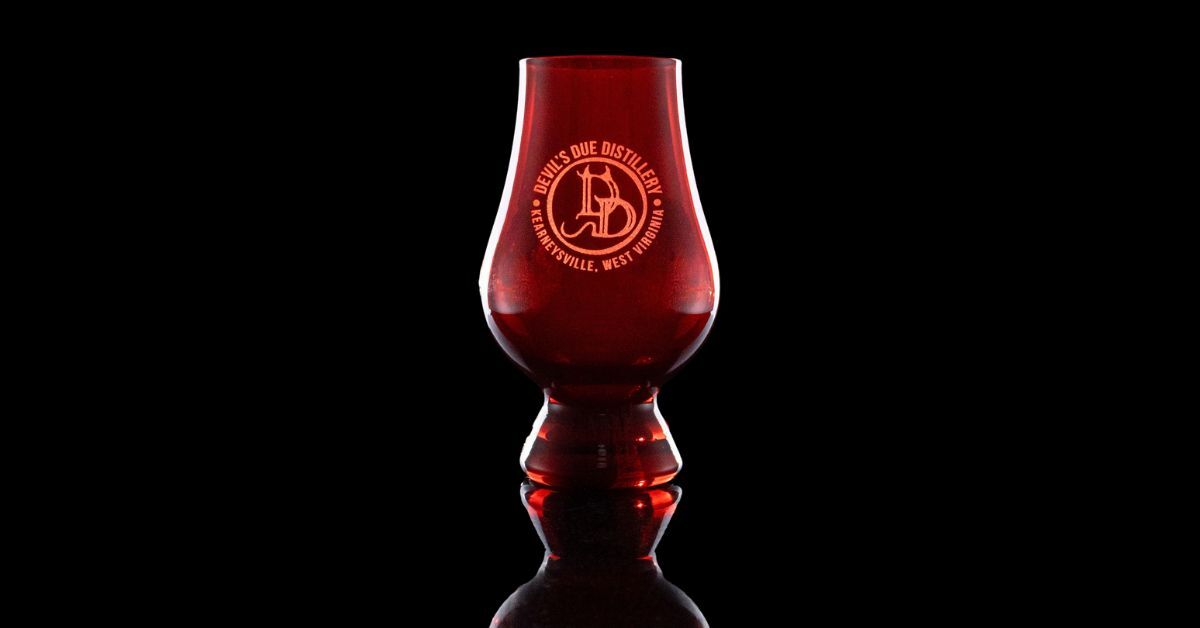
- Colored Glencairn Glasses: To celebrate its 20th anniversary, Glencairn released a set of blind tasting glasses in black, blue, red, green, and gold. These opaque glasses allow connoisseurs to focus solely on aroma and taste, unaffected by the whisky's color.
No matter which Glencairn glass you choose, each one is designed with precision and crafted to enhance your whisky experience, making it an essential tool for any enthusiast. Now that we've explored the versatility of Glencairn glasses, let's take a closer look at the art of tasting whisky like a true connoisseur.
Appreciating the Glencairn Glass Legacy
Understanding the history and evolution of the Glencairn glass deepens appreciation for the thought, precision, and artistry that define its very essence. It stands as a symbol of the whisky industry's commitment to providing the best possible tasting experience.
For distilleries and corporate events, offering high-quality, branded glass demonstrates a commitment to excellence. A custom logo Glencairn glass serves as a sophisticated marketing tool and a lasting reminder of a memorable tasting. Browse our collection of quality Glencairn glasses.