Top Tasting Glasses in the Spirits Industry (2026)
26th Mar 2026
In 2026, the spirits industry is more focused than ever on precision. Distillers, brand owners, and hospitality professionals aren’t just refining what goes into the bottle, they’re refining how it’s experienced. At the center of this shift is one often overlooked tool: the tasting glass.
What was once a matter of preference has become a matter of performance. The right glass can elevate aroma clarity, soften ethanol harshness, and unlock layers of complexity that would otherwise go unnoticed. As a result, glassware has evolved into a critical component of both product development and customer experience.
A Shift Toward Function Over Form
Modern tasting glassware is no longer designed primarily for aesthetics. Instead, the focus has shifted toward aroma control, vapor management, and ergonomic precision. Across distilleries and tasting rooms, certain shapes have emerged as industry standards, not because they look good, but because they work.
The most dominant design is the tulip shape: a wide bowl that allows the spirit to open up, paired with a narrow rim that concentrates aromas toward the nose. This simple but effective geometry has become the foundation for nearly every serious tasting glass used today.
The Industry Standard: The Glencairn
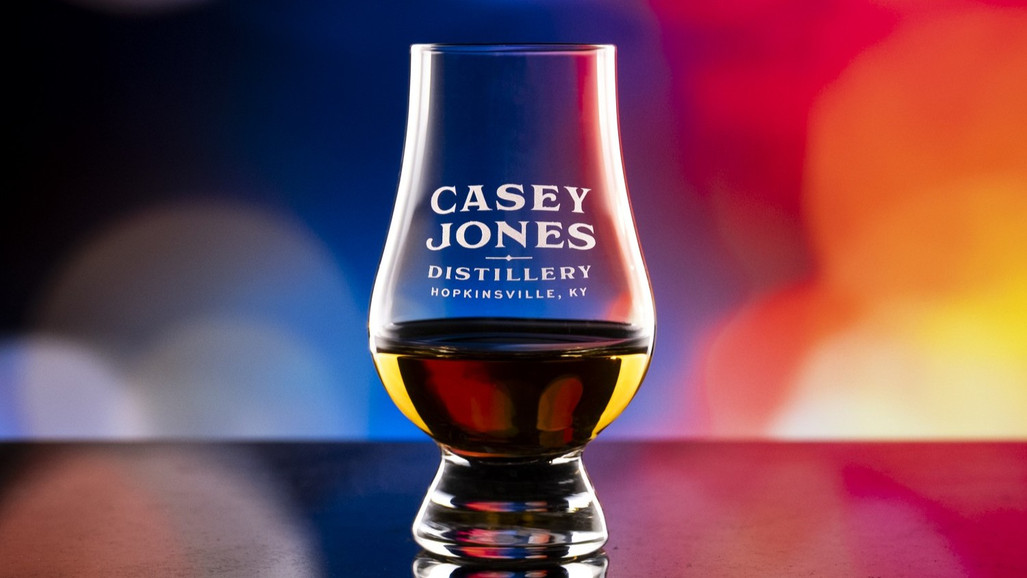
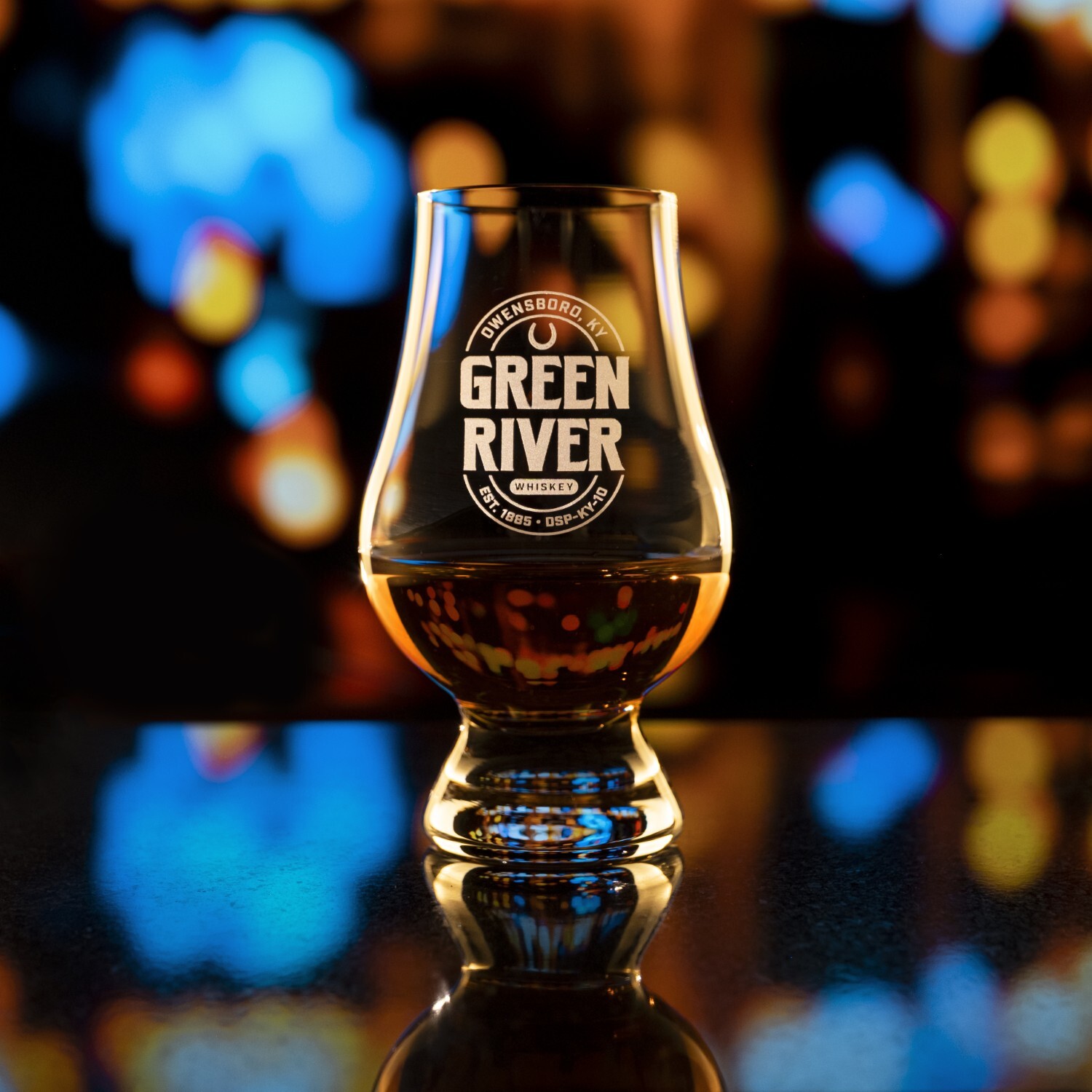
No conversation about tasting glasses is complete without the Glencairn Glass. Still the benchmark in 2026, it has achieved near-universal adoption across the spirits world.
Its success comes from balance. The bowl is large enough to encourage oxidation, while the tapered rim directs aromas with precision. Unlike traditional stemmed glassware, its sturdy base allows for comfortable handling without sacrificing performance.
For many, the Glencairn is the default choice; not because it excels in one area, but because it performs consistently well across all spirits and use cases.
Precision Nosing: The Copita Glass
Where the Glencairn offers versatility, the Copita Glass offers specialization.
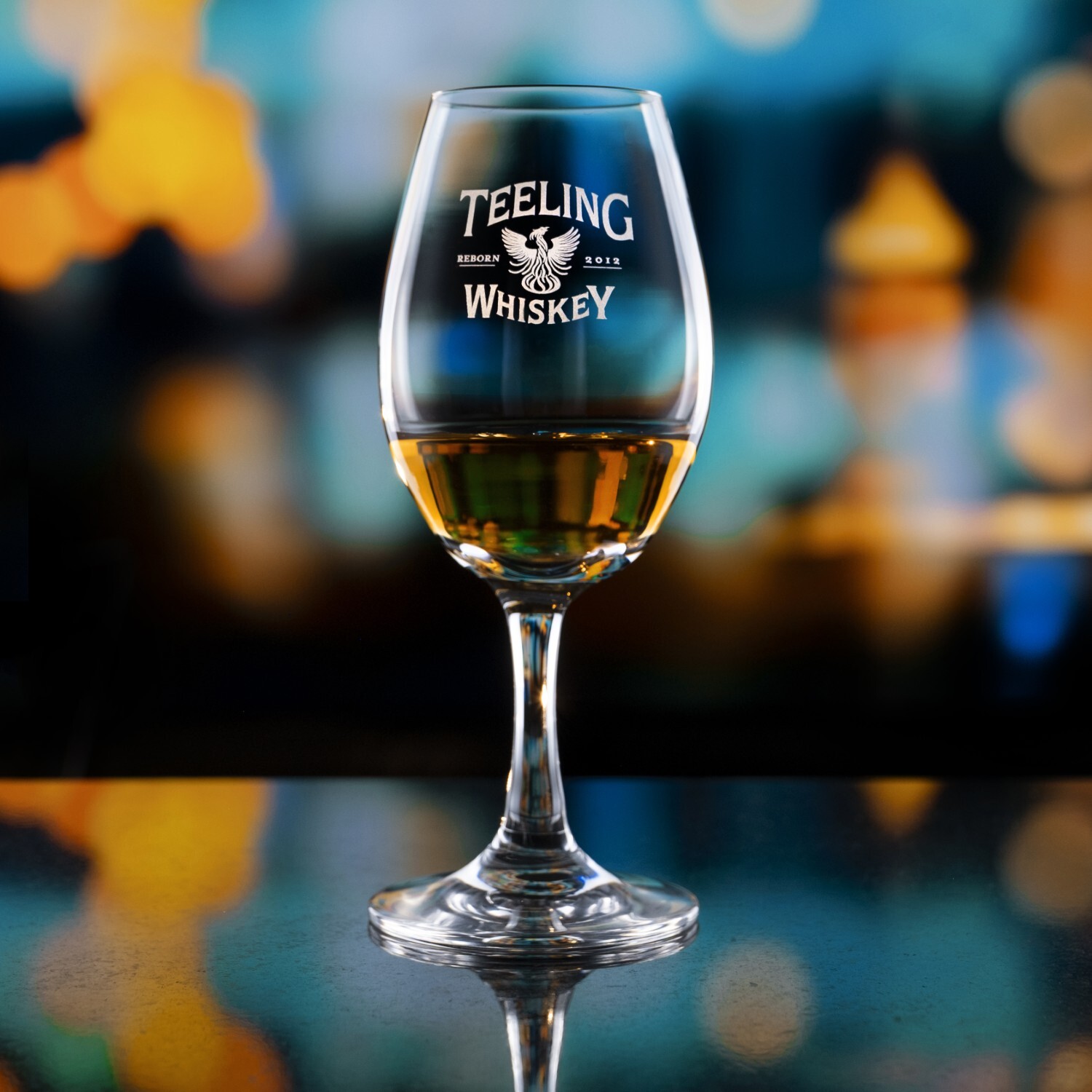
Originally derived from sherry tasting traditions, the copita features a taller, narrower profile and a stem. This design minimizes heat transfer from the hand and creates a more controlled environment for evaluating aroma.
In 2026, copitas are widely used by:
- Master blenders
- Distillery labs
- Professional judging panels
They’re particularly valuable when subtle differences matter; such as comparing batches, identifying faults, or dialing in flavor profiles during production.
Removing Bias: Blind Tasting Glasses
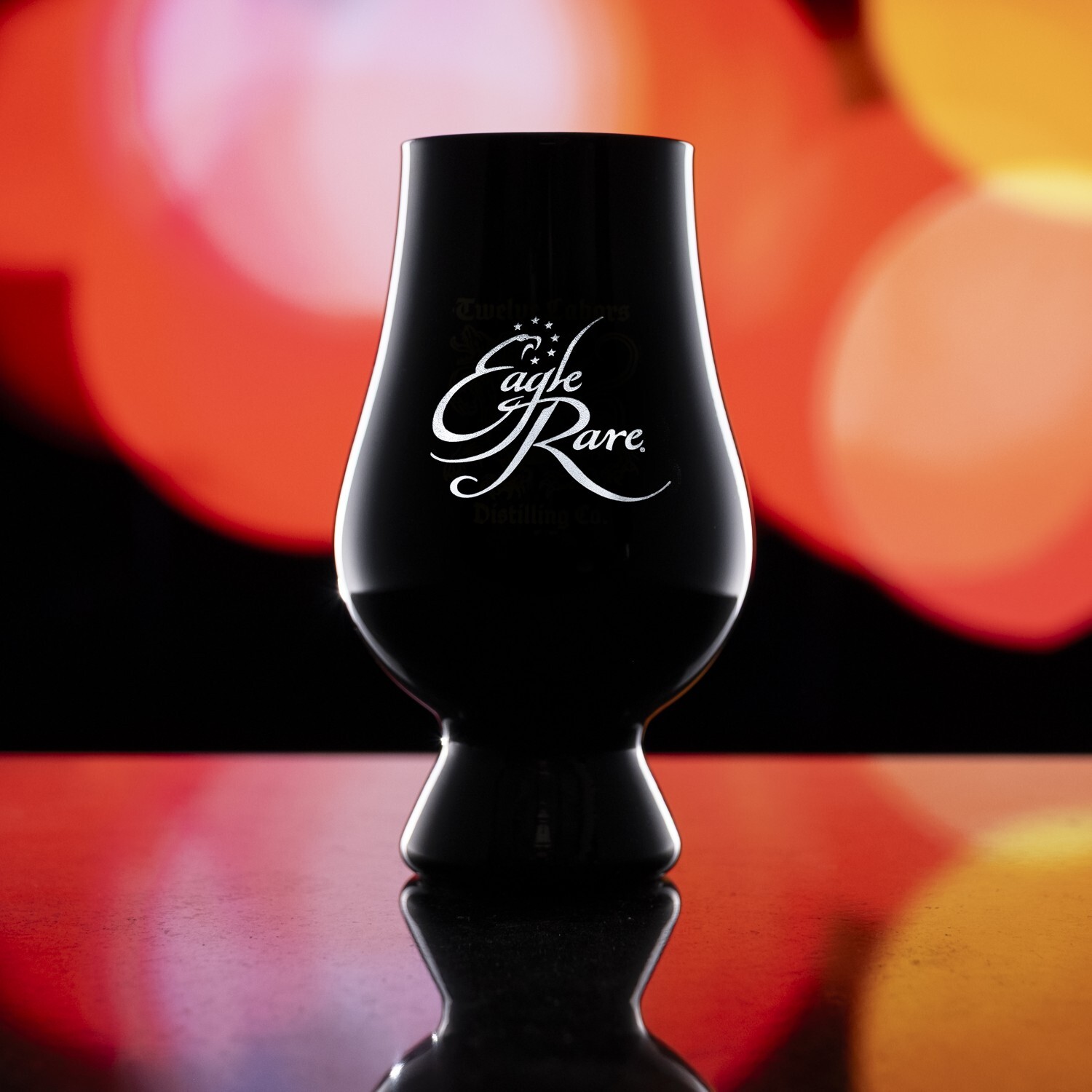
As the industry becomes more analytical, blind tasting has grown in importance. This has led to the rise of colored and capped tasting glasses, designed to remove visual influence and preserve volatile compounds.
By eliminating cues like color and viscosity, these glasses force tasters to rely purely on aroma and flavor. In competitive settings and internal evaluations, this leads to more objective results and better decision making.
For brands focused on quality control and consistency, this category of glassware is quickly becoming essential.
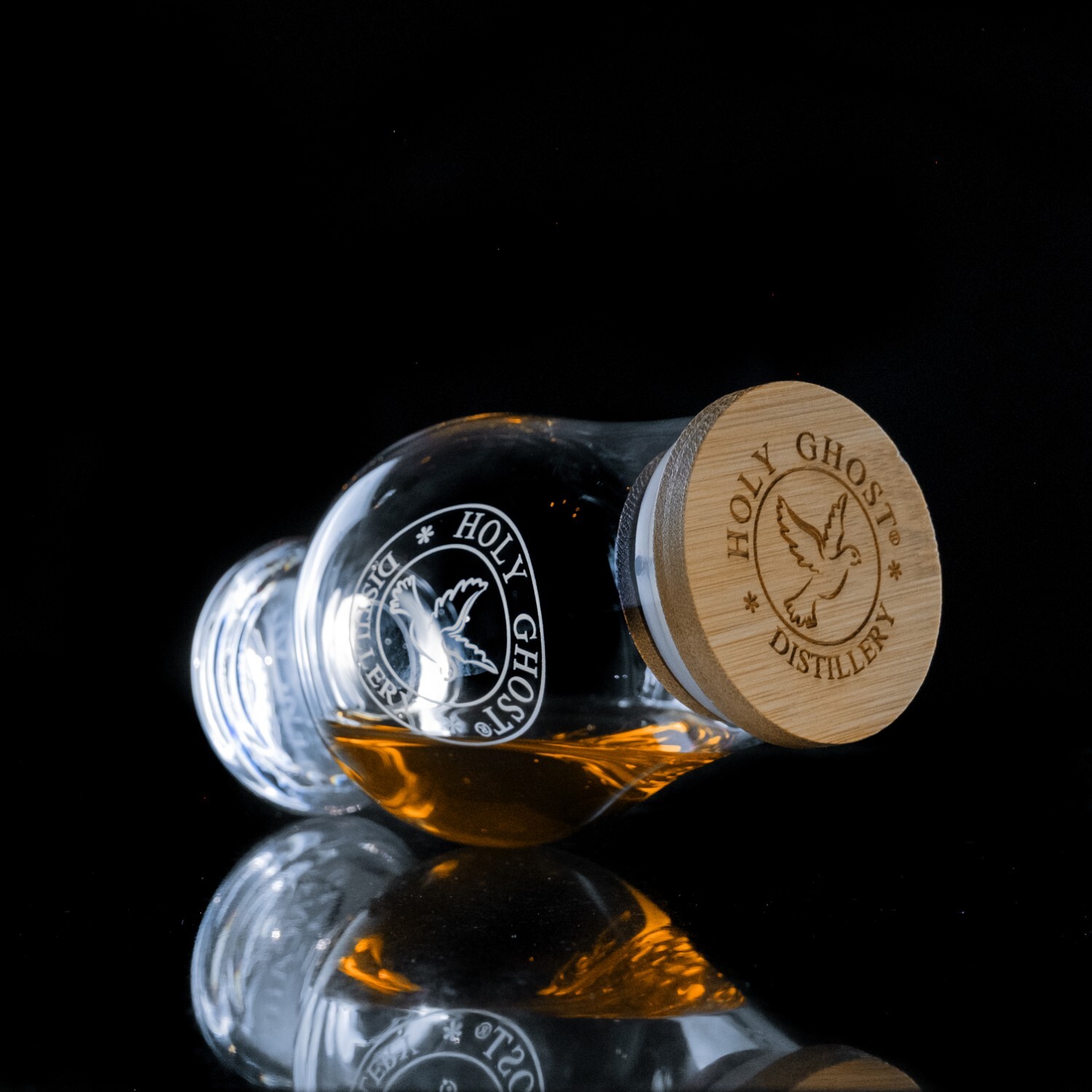
Accessibility and Scale: Glassware for Group Tastings
While professionals demand precision, the rise of consumer education has created demand for scalable solutions. Tasting flights, events, and retail experiences all require glassware that is both functional and accessible.
Standardized tasting glasses often sold in sets allow brands to deliver a consistent experience across larger groups. Meanwhile, smaller-format glasses are becoming increasingly common, particularly for tasting flights. These petite glasses help reduce palate fatigue and overconsumption while maintaining concentrated aromas, reflecting a broader industry trend toward smaller, more approachable tasting formats.
The Rise of Smaller Tasting Glasses
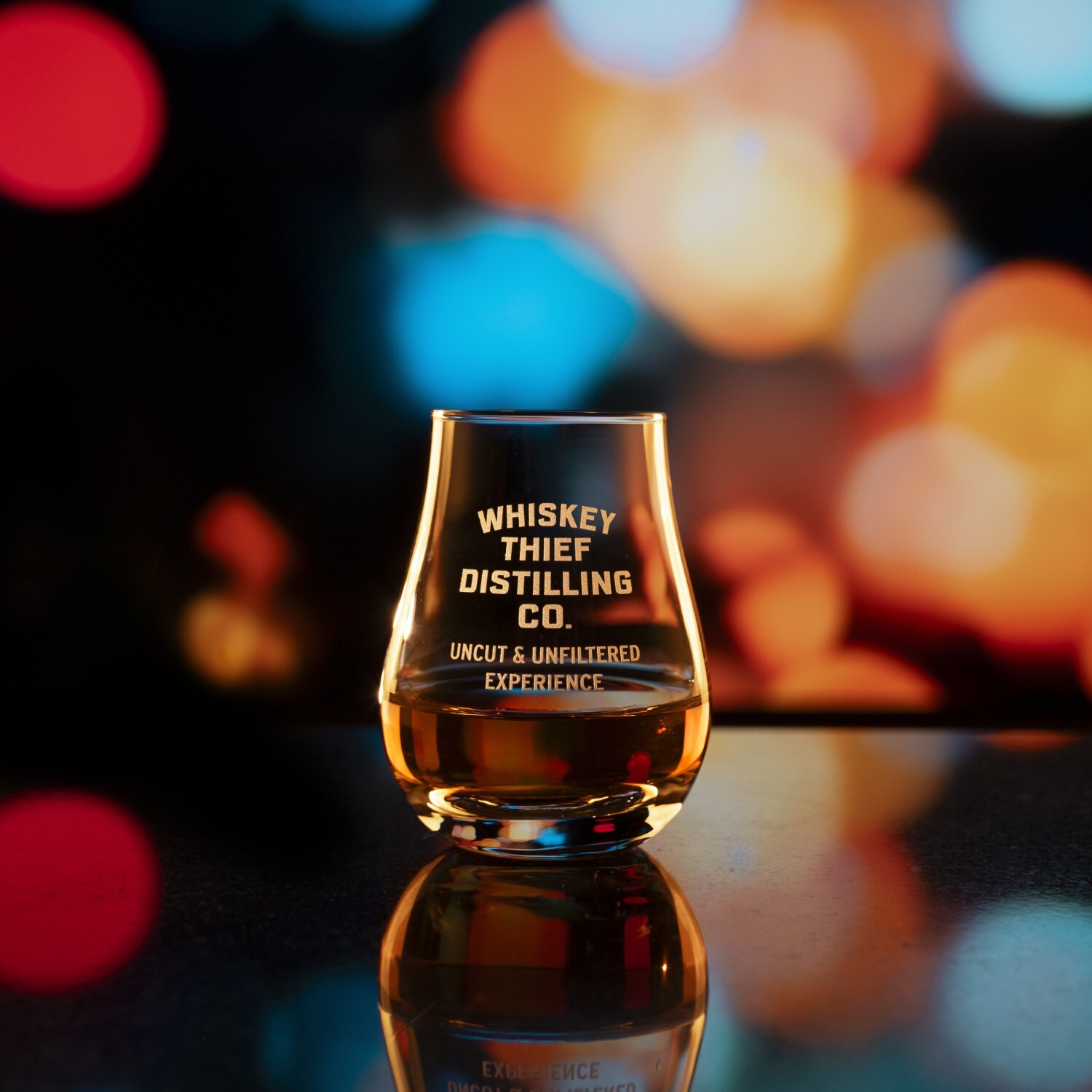
Across distilleries, competitions, and tasting rooms, there has been a clear shift toward smaller capacity glasses and smaller pours. Most modern tasting glasses now sit in the 2–3 oz range, designed not for full servings but for controlled evaluation. Instead of pouring more, professionals are pouring less, more often.
This shift is driven by a few key advantages:
- Better aroma control – Smaller volumes reduce ethanol overload
- Improved comparison – Easier to evaluate multiple samples side by side
- Reduced palate fatigue – Critical during flights and judging
- Greater efficiency – Ideal for production environments and events
This trend reflects a broader industry evolution: tasting is becoming not just more precise, but also more efficient, more controlled, and more accessible to both professionals and enthusiasts alike.
An Unexpected Trend: Crossing Into Wine Glass Territory
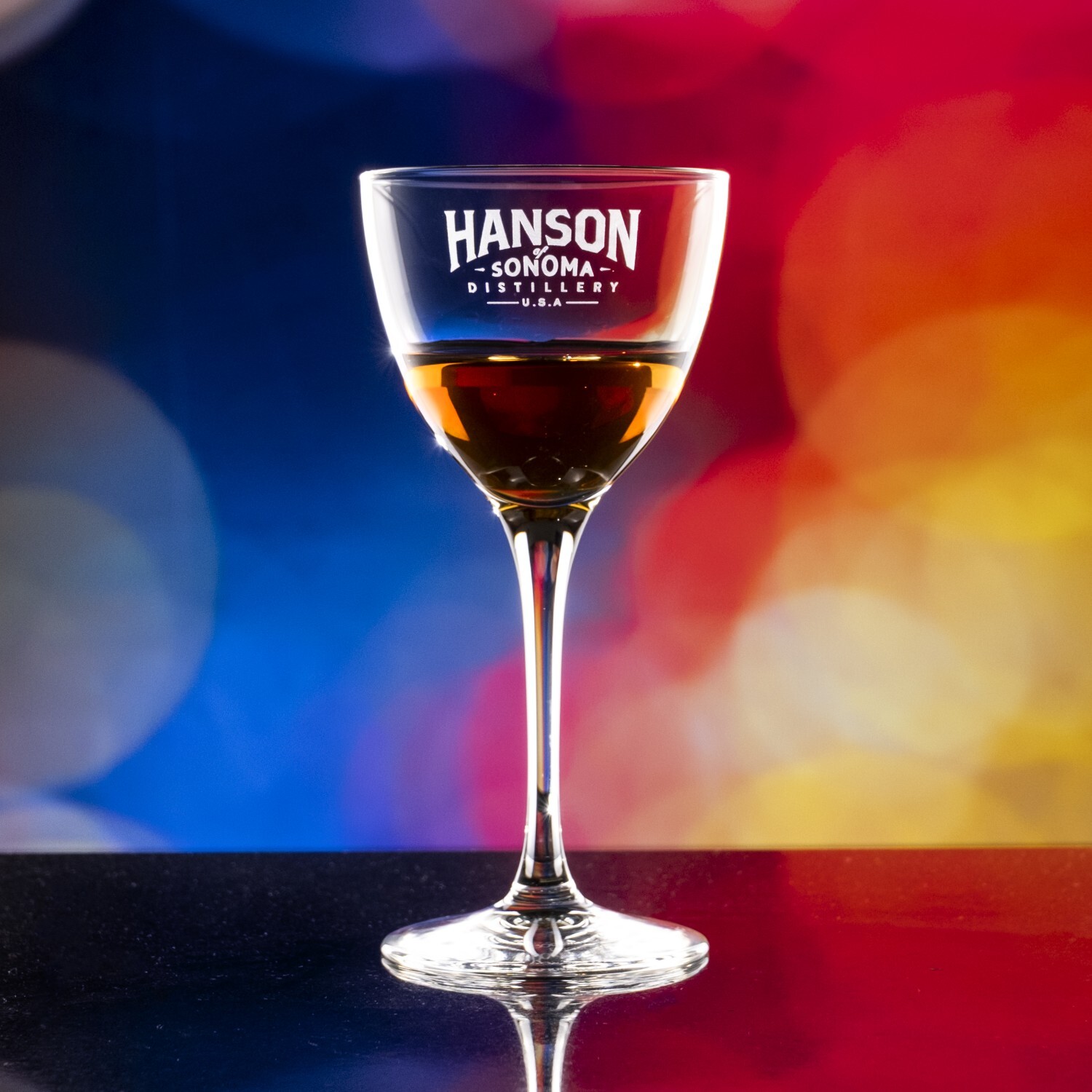
One of the more surprising developments in recent years is the growing acceptance of wine glasses for spirits evaluation. Some professionals argue that a larger bowl allows for greater oxygen interaction, potentially revealing aromas that tighter vessels may suppress.
While not a replacement for traditional tasting glasses, this trend highlights an important idea: there is no single perfect glass. Different shapes can emphasize different characteristics, and experimentation is becoming part of the process.
What Defines a Great Tasting Glass in 2026?
Despite the variety of options, the best tasting glasses share a few core principles:
- Aroma Concentration – Narrow rims that direct scent
- Controlled Evaporation – Bowls that allow the spirit to open without overwhelming the nose
- Thermal Stability – Designs that limit heat transfer
- Purpose-Driven Form – Each glass tailored to a specific use case
The industry is moving away from one-size-fits-all solutions and toward intentional glass selection, including smaller formats that balance precision with practicality.
Final Thoughts
Tasting glassware in 2026 is no longer just a vessel; it’s an instrument. Whether it’s the versatility of the Glencairn Glass, the analytical precision of the Copita Glass, the objectivity enabled by blind tasting designs, or the efficiency of smaller format glasses, each option plays a distinct role.
As the spirits industry continues to evolve, one thing is clear: how a spirit is presented matters just as much as how it’s made. And in that equation, smaller, more focused tasting glasses are doing more work than ever before, enhancing both accessibility and flavor precision.