Behind Every Perfectly Stirred Cocktail
Posted by Distillery Products on 10th Aug 2026
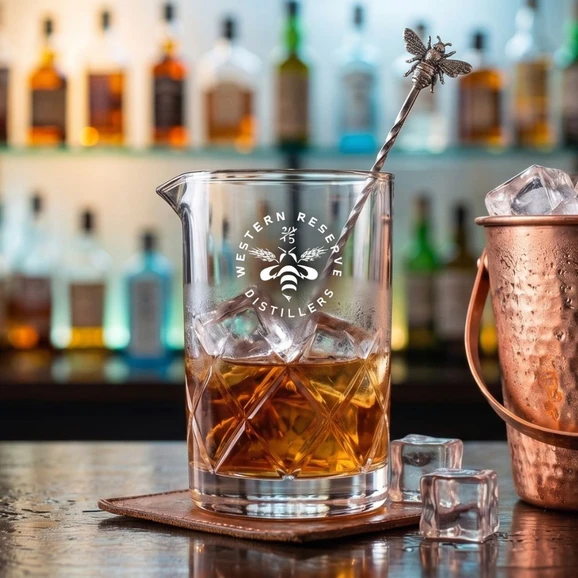
The finished cocktail may arrive in a rocks glass, coupe, or Nick & Nora, but some of the most important work happens before the drink reaches its serving vessel. For Manhattans, Old Fashioneds, Negronis, Martinis, and other spirit-forward cocktails, a well-designed mixing glass gives the bartender the space and control needed to combine ingredients, chill the drink, and introduce the right amount of dilution.
For restaurants, resorts, distilleries, tasting rooms, private clubs, and hospitality groups, premium mixing glassware also adds theater to the beverage program. Guests can see the ice move, hear the bar spoon travel around the glass, and watch the finished drink flow through the pour spout. That visible preparation makes the cocktail feel handcrafted rather than simply assembled.
The complete collection of premium mixing glasses includes several approaches to professional cocktail preparation, from minimalist hand-blown vessels to patterned statement pieces and versatile pint-style glasses.
Why Stirred Cocktails Need Space
A mixing glass must hold more than the finished volume of the cocktail. Once ice is added, the bartender needs enough interior room to move a spoon smoothly around the perimeter without splashing ingredients or forcing the ice into a cramped cluster.
This is why many professional mixing glasses have capacities above 20 ounces even though the final cocktail may contain only three or four ounces of liquid. The additional room accommodates ice, supports consistent stirring, and allows the ingredients to move together as the drink chills.
A broad, stable base is equally important. Stirring creates circular pressure against the inside of the vessel, so a mixing glass that shifts across the bar can interrupt the bartender’s rhythm. A substantial base helps the glass remain planted while also giving the preparation a reassuring, premium feel.
Minimalist Glassware Keeps Focus on Technique
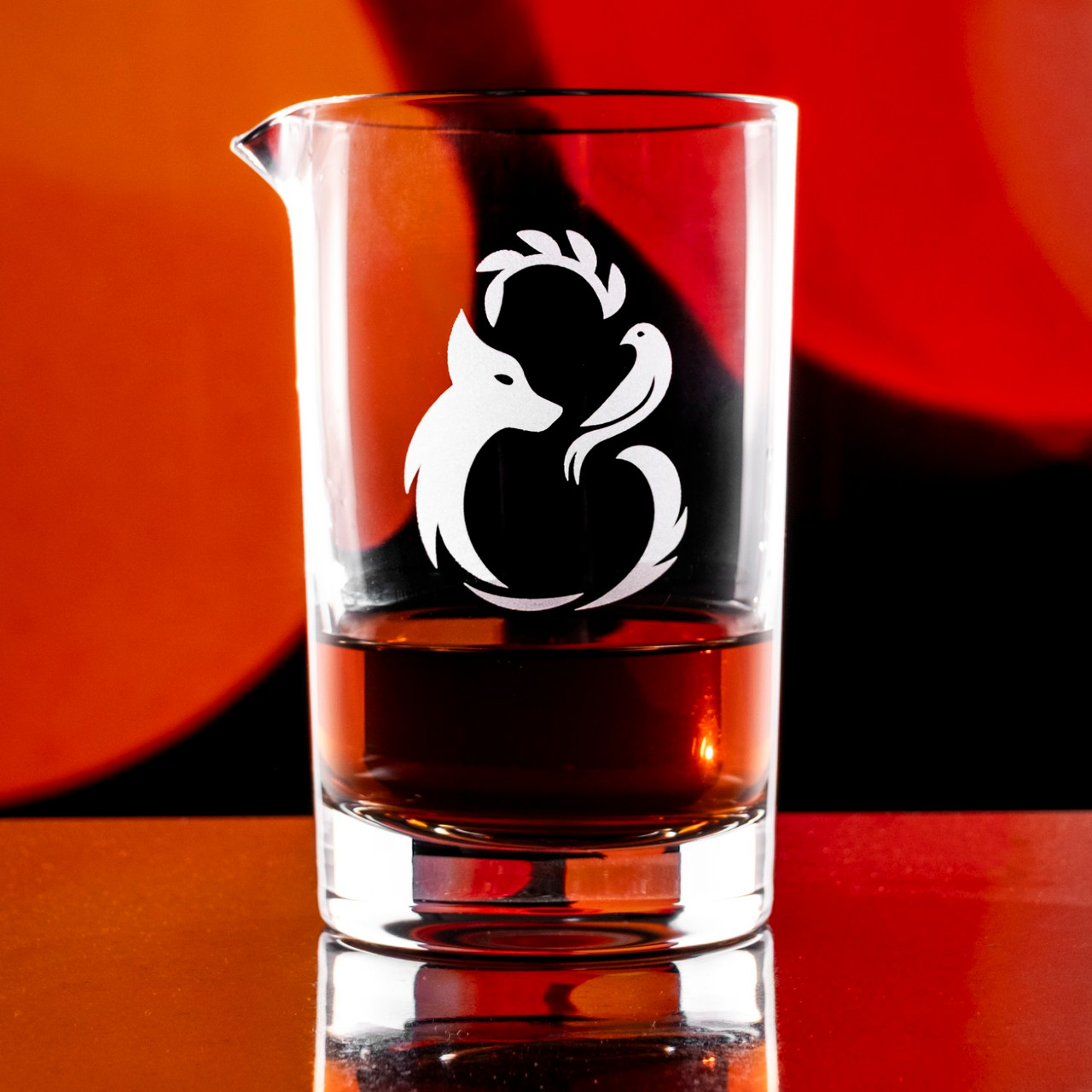
Not every mixing glass needs an elaborate pattern. A clean vessel can place the emphasis on the ingredients, ice, and movement of the bartender’s hand.
The Cristallo Mixing Glass, 12/case offers a minimalist, seamless profile with a flat base and a generous 23.5-ounce capacity. Its simple silhouette makes it especially appropriate for contemporary cocktail bars, chef-driven restaurants, modern resorts, and distilleries that prefer understated presentation.
The Cristallo works well for Manhattans, Old Fashioneds, Negronis, Martinis, and other drinks that are stirred rather than shaken. Because the body is visually clean, the cocktail’s color and the motion of clear ice remain visible throughout preparation. That can be particularly effective at an open bar or tasting-room counter where guests are watching the bartender work.
A restrained design also creates a clear area for an engraved logo without competing with heavy ornamentation. For hospitality groups seeking polished but subtle branding, that balance can be valuable.
Cut Patterns Turn Mixing Into Theater
Patterned mixing glasses bring another dimension to cocktail service. Cut designs reflect light as the glass and ice move, creating a visual effect that feels particularly at home in whiskey bars, destination lounges, and premium tasting rooms.
The Yarai Mixing Glass, 12/case features a hand-cut diamond-weave pattern and a 23.5-ounce capacity. The traditional Yarai-inspired texture gives the vessel a recognizable craft-cocktail appearance while still providing ample room for ice and multiple ingredients.
This style is ideal for bars where the preparation process is part of the guest experience. A bartender stirring a reserve Manhattan or barrel-aged Negroni in a patterned glass creates a sense of occasion before the drink is poured.
The larger capacity may also accommodate more than one serving when a recipe and service procedure allow it. For private events or paired cocktail experiences, that flexibility can help bartenders work efficiently without sacrificing presentation.
Swirl Patterns Create Movement Before Stirring
A geometric pattern communicates precision, while a flowing pattern can suggest motion. That difference gives hospitality buyers another way to match glassware to the atmosphere of the bar.
The Luna Swirl Mixing Glass, 12/case uses a hand-cut swirl pattern across its hand-blown body. Even before the bartender begins stirring, the design gives the vessel a sense of movement. As light passes across the glass and the ice rotates inside, the pattern becomes part of the show.
With a 23.5-ounce capacity and flat base, the Luna Swirl is well suited to premium whiskey cocktails, signature stirred drinks, tableside preparation, and special-event bars. It is a particularly attractive choice for resorts and hospitality spaces that want barware to feel decorative without becoming impractical.
Distinctive patterns also help mixing glasses succeed as gift-shop merchandise. Many cocktail enthusiasts already own basic bar tools. A branded hand-blown mixing glass with an unusual cut pattern offers something more collectible and display-worthy.
A Pour Spout Improves the Finish
Stirring is only part of the process. Once the drink reaches the proper temperature and dilution, it must be transferred cleanly into the serving glass.
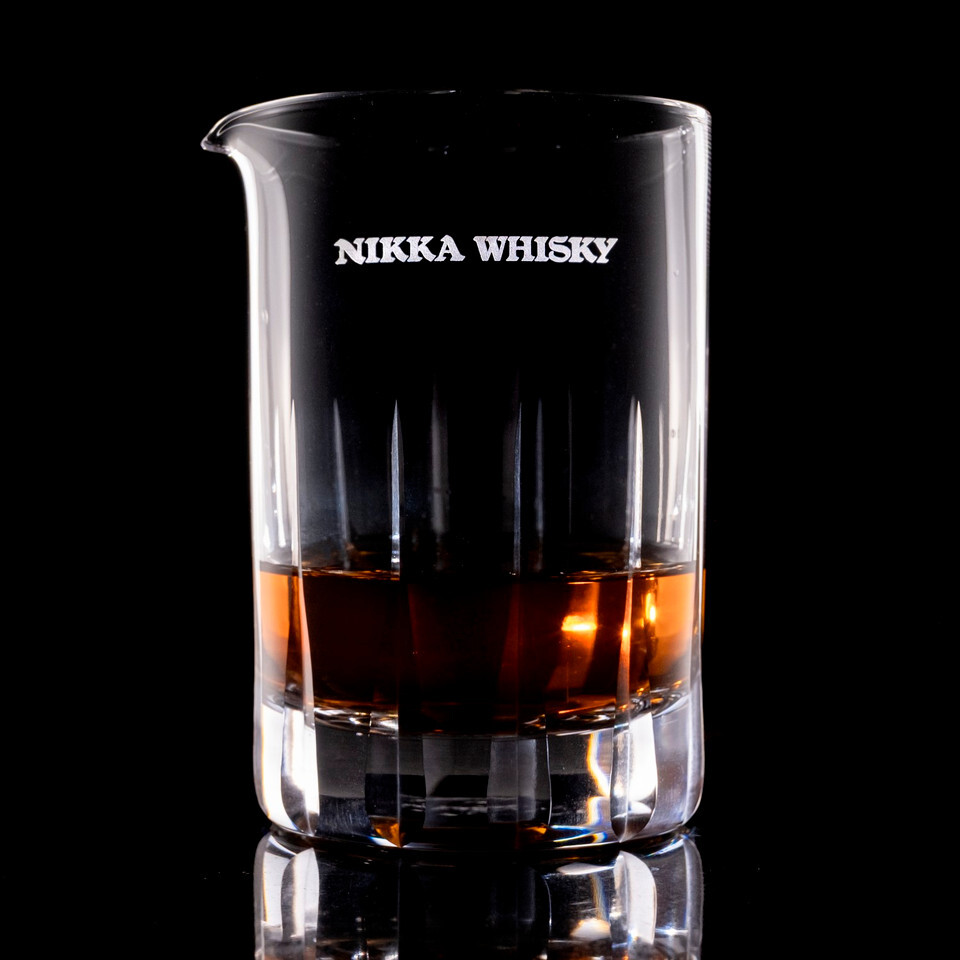
The Noble Mixing Glass, 12/case combines a seamless profile with a tapered base, precision pour spout, and cut paddle pattern around the circumference. The spout helps guide the cocktail toward the strainer and serving vessel, reducing the chance of an uneven or hesitant pour.
This matters in high-touch hospitality settings. A polished presentation can lose some of its impact when liquid runs down the outside of the glass or the bartender must reposition the vessel midway through pouring. A defined spout supports a smoother finish and reinforces professional technique.
The Noble is a strong fit for cocktail lounges, distillery bars, private clubs, and branded beverage programs where visual refinement and everyday function need to coexist.
Greater Capacity Supports Busy Cocktail Programs
Some operations need mixing glassware with additional room, especially when bartenders prepare larger recipes or more than one cocktail at a time.
The Carats Mixing Glass, 12/case provides a 25.5-ounce capacity, an integrated pour spout, and an intricate diamond pattern. The larger volume gives bartenders more working space for ice and ingredients while the patterned exterior adds a classic cocktail-bar aesthetic.
This makes the Carats useful for craft cocktail bars, hotels, restaurants, event service, and distilleries with busy tasting-room cocktail programs. It is especially appropriate for Old Fashioneds, Manhattans, house signatures, and other stirred drinks served during premium or high-volume service.
The combination of capacity and presentation also gives the glass strong retail potential. Packaged with a bar spoon, strainer, or cocktail recipe card, a branded mixing glass can become the centerpiece of a home-bar gift set.
The Pint Glass Offers Practical Versatility
Purpose-built mixing vessels are not the only option. A durable pint glass can support a different style of cocktail preparation when paired with a compatible shaker tin.
The Classic Pint Glass, 24/case has a 16-ounce capacity and can be used as part of a Boston shaker setup. In this configuration, the glass and metal tin form a seal for shaking cocktails, while the clear glass allows the bartender to see the ingredients inside.
The same glass can then return to ordinary service for beer, tall cocktails, soft drinks, and mixed beverages. That flexibility makes it especially useful for tasting rooms, casual restaurants, event bars, breweries, and hospitality operations that need each piece of glassware to perform more than one role.
For retail buyers, the familiar pint shape is approachable and easy for customers to use at home. It can be sold as standard branded glassware or included with a shaker tin as an introductory cocktail kit.
Mixing Glasses and Aroma
A mixing glass is not intended to concentrate aroma in the way a Glencairn or other nosing glass does. Its job is preparation rather than final tasting. However, its dimensions still influence the cocktail-making process.
A wider opening allows the bartender to add ice easily and maneuver a bar spoon. The open top also releases some aroma while the drink is stirred, giving both bartender and nearby guest an early impression of the whiskey, vermouth, bitters, or other ingredients.
The cocktail’s final aroma is shaped more directly by the serving glass. After stirring, a Manhattan poured into a Nick & Nora will present differently from an Old Fashioned poured over ice in a rocks glass. The mixing vessel therefore supports the preparation, while the final glass completes the sensory experience.
Choosing Mixing Glasses for Hospitality
Hospitality buyers should begin with the cocktail menu and service method. Consider whether bartenders usually prepare one or two drinks at a time, whether the bar is visible to guests, and whether a defined pour spout is important to the workflow.
A minimalist glass may suit a modern restaurant, while a patterned Yarai or Carats design may better complement a whiskey lounge. An operation focused on high versatility might stock pint glasses for Boston shaker use alongside one premium stirring vessel for tableside or signature-cocktail preparation.
Also evaluate stability, capacity, storage height, cleaning procedures, engraving area, and how comfortably the glass works with existing strainers and spoons. Attractive glassware still needs to perform reliably through repeated service.
Turn Bar Tools Into Brand Assets
Mixing glasses are unusually effective branding pieces because they are used during the most visible part of cocktail preparation. An engraved logo appears while the bartender measures, stirs, and pours, creating repeated brand exposure without interrupting the experience.
The same glass can become retail merchandise, a corporate gift, a bartender-recognition award, a bottle-release companion, or part of a premium cocktail kit. Resorts can include branded mixing sets in VIP packages, while distilleries can pair a glass with bitters, recipes, or a bottle for seasonal gifting.
Unlike a purely decorative promotional item, a quality mixing glass has a clear purpose. Guests and cocktail enthusiasts can use it repeatedly at home, keeping the hospitality or distillery brand connected to future drinking occasions.
Make Preparation Part of the Experience
A great stirred cocktail depends on balance: enough ice, enough movement, sufficient chilling, controlled dilution, and a clean final pour. The mixing glass gives the bartender the working space needed to achieve that balance.
For hospitality groups, resorts, restaurants, distilleries, tasting rooms, private clubs, and gift shops, premium mixing glassware adds something else as well—the ability to turn cocktail preparation into a visible expression of craftsmanship.
Explore the complete collection of custom engraved mixing glasses to compare minimalist, hand-cut, spouted, large-capacity, and versatile pint-style options for professional service, gifting, events, and retail.
Contact us today to request a quote on custom glassware for your distillery or event.