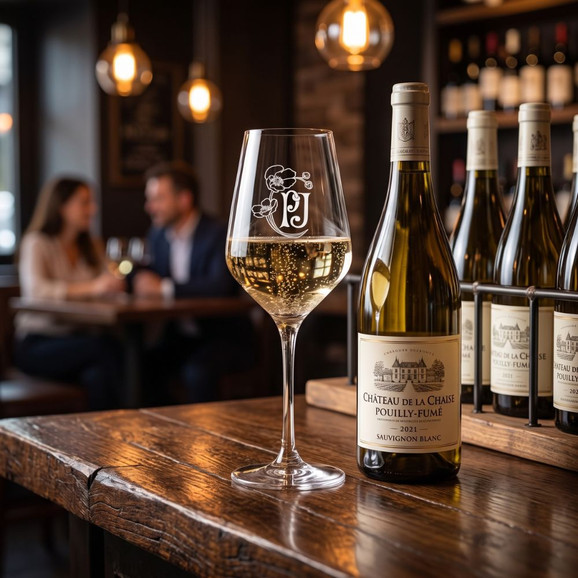
Building a Better Wine Glass Program
Posted by Distillery Products on 10th Aug 2026
A well-designed wine program does not begin and end with the bottle. Glassware is part of the tasting experience, and choosing the right shape can influence how a wine presents its aroma, color, temperature, and character before the guest ever takes a sip.
For restaurants, resorts, tasting rooms, distilleries, private clubs, hospitality groups, and gift shops, that makes wine glassware both a service tool and a branding opportunity. The goal is not necessarily to stock a different glass for every varietal. A smarter approach is to build a versatile collection of shapes that can handle everyday wine service, guided tastings, sparkling wines, cocktails, events, guest amenities, and retail merchandise.
Start With the Bowl, Not the Label
One of the first things I look at when evaluating wine glassware is the relationship between the bowl and the rim. A generous bowl provides room to swirl the wine, increasing its contact with air and helping release aromatic compounds. A narrower opening can then help direct those aromas toward the nose.
This is why a standard serving of wine should never fill the glass. The empty space above the wine is functional. It gives the guest room to swirl and creates an aromatic chamber between the wine and the rim.
A versatile example is the 16.5 oz. Revolution Wine Glass, 24/case. Its larger capacity makes it useful for red wine service and other wines that benefit from room in the bowl. For restaurants and tasting rooms that want an elegant all-purpose stem without maintaining an enormous inventory of varietal-specific glassware, this type of design can become a dependable foundation.
Buyers can compare additional shapes and capacities in the complete collection of custom wine glasses.
Smaller Stems Have an Important Role
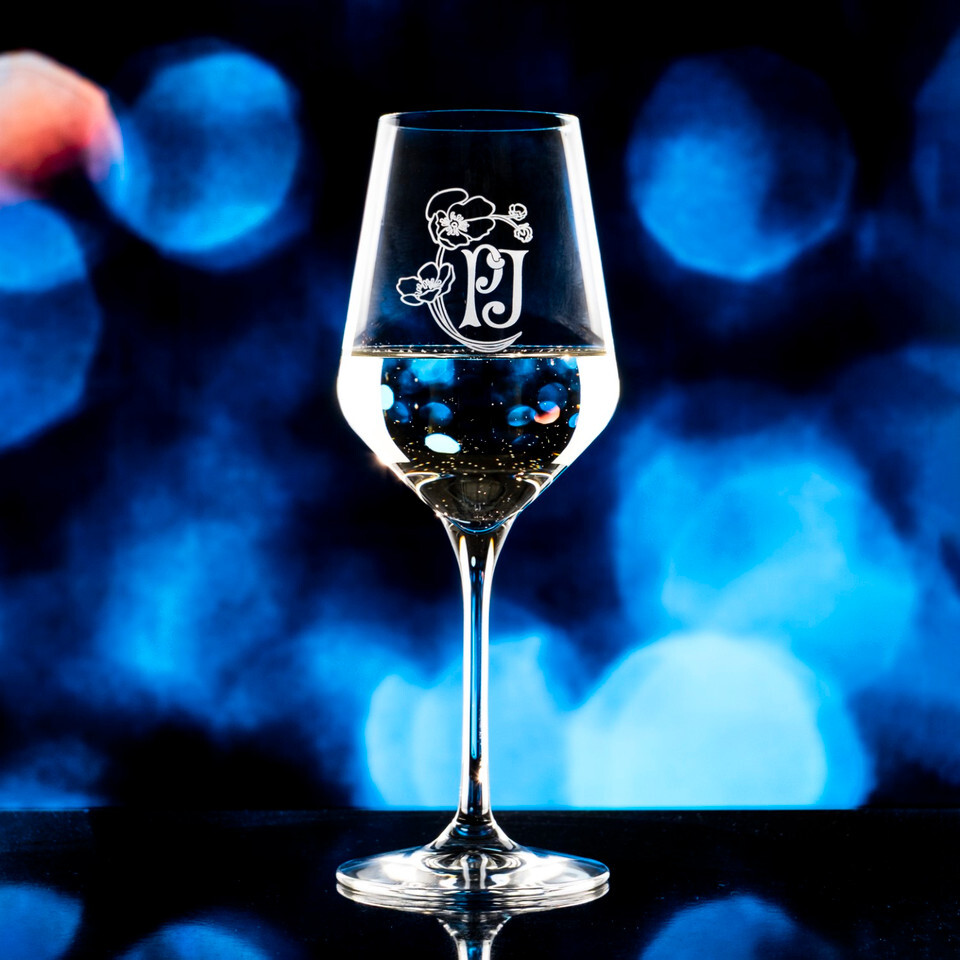
More capacity is not automatically better. Smaller wine glasses are valuable when portion control, tasting flights, or a lighter presentation is the priority.
The 12.75 oz. Revolution Wine Glass, 24/case provides a more compact alternative to its larger Revolution counterpart. That makes it particularly useful for white wines, smaller pours, wine flights, guided tastings, receptions, and multi-course dinners where several wines may be served throughout the experience.
The 12.75 oz. Stolzle Ultra Wine, 24/case fills a similar operational niche while offering another stemmed profile. Glasses in this size range can be especially practical for resorts and event venues because they look appropriately filled with a standard serving without requiring an oversized pour.
That visual proportion matters. A tasting portion served in an enormous bowl can look stingy even when the measurement is correct. The same portion in appropriately scaled glassware feels intentional.
Universal Wine Glasses Simplify Service
Many hospitality buyers do not need separate Cabernet, Burgundy, Chardonnay, and Sauvignon Blanc glasses. They need attractive glassware that performs well across a broad wine list and can move efficiently through a busy dining room.
The 15 oz. Weinland Wine Glass, 24/case sits comfortably in that universal category. Its balanced capacity makes it appropriate for reds, whites, rosés, wine tastings, and general table service.
The 16 oz. Romeo Wine Glass, 24/case offers another flexible option for operations that want one primary stemmed wine glass. A versatile 15- to 16-ounce glass gives a beverage director flexibility without making servers memorize an overly complicated stemware system.
For hospitality groups managing multiple properties, consistency can be particularly useful. Selecting one recognizable branded wine glass for standard service creates a visual connection between dining rooms, tasting programs, banquet service, and special events.
Large Bowls Invite Aroma—and Creativity
Some wine glasses move beyond traditional wine service and become genuine crossover pieces.
The 13 oz. Select Wine, 48/case features a rounded bowl inspired by the Copa de Balón style. The shape provides room for aromatic development but also accommodates ice, citrus, herbs, and garnishes. That makes it useful not only for red wine, but also for gin and tonics, spritzes, and signature cocktails.
The 16.75 oz. Copa Vino Wine Glass, 24/case gives operators an even more generous format. Larger bowls can work particularly well for aromatic reds, sangria, spritz-style cocktails, and beverage presentations where garnish is part of the visual experience.
For a resort bar or restaurant with limited storage, crossover glassware can be a smart purchasing decision. One attractive glass may support wine service at dinner, a patio spritz menu in the afternoon, and signature cocktails during an event.
Stemless Wine Glasses Change the Mood
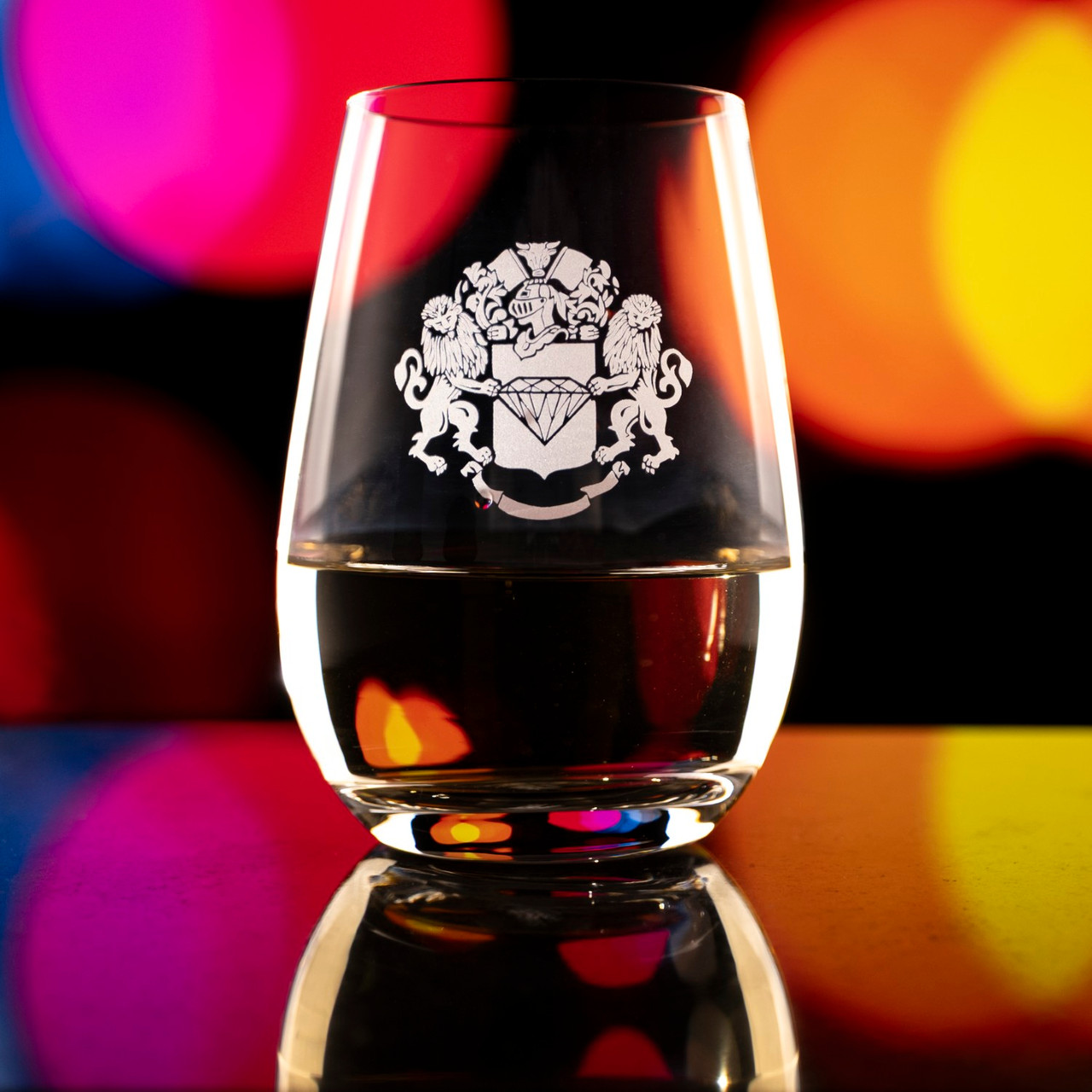
Removing the stem immediately makes wine service feel more relaxed. Stemless glasses sit lower on the table, are easy to handle, and work naturally in casual environments where traditional stemware might feel overly formal.
The 15.75 oz. Stolzle Stemless Wine Glass, 24/case is well suited for casual wine service, tasting rooms, outdoor hospitality, welcome amenities, private events, and retail merchandise.
There is a tradeoff: holding a stemless glass places the hand directly against the bowl, so the beverage may warm more quickly than it would in stemmed glassware. For many casual applications, however, convenience and presentation outweigh that concern.
Stemless glasses are also strong candidates for branded gifts. Their approachable shape makes them useful beyond formal wine occasions, which can increase their appeal in tasting-room stores, resort gift shops, corporate gift programs, and event packages.
Flutes Give Sparkling Wine Its Stage
Sparkling wine asks something different of its glass. Instead of maximizing surface area, the traditional flute uses a tall, narrow bowl to showcase the visual movement of bubbles while reducing the amount of wine exposed to the air.
The 9 oz. Esquisit Flute Glass, 24/case provides an elegant format for Champagne, Prosecco, sparkling wine, wedding toasts, resort celebrations, and special-event service.
A flute also carries an unmistakable sense of occasion. That psychological component should not be overlooked. When a guest receives sparkling wine in a tall stemmed flute, the glass itself signals celebration before the toast begins.
For venues offering smaller celebratory pours or tasting portions, the 5.75 oz. Romeo Flute, 48/case offers a more compact format suited to receptions, tasting flights, welcome beverages, and event service.
Coupes Bring Wine and Cocktails Together
The coupe has traveled through several chapters of beverage history, and today its strength is versatility. Its broad, shallow bowl produces a completely different presentation from a flute or traditional wine glass.
The 6 oz. Prism Coupe Glass, 24/case is an excellent example of a glass that can move between sparkling wine, Champagne cocktails, classic cocktails, dessert beverages, and elevated event service.
Unlike a flute, a coupe exposes more of the beverage to air, so it is not intended to preserve carbonation for an extended period. What it offers instead is presentation. The broad bowl creates an elegant silhouette and provides room for thoughtful garnishes.
For restaurants and distilleries with cocktail programs, this kind of crossover value is significant. Premium wine glassware does not have to remain confined to the wine list.
Branding Should Complement the Glass
When glassware is engraved, the branding should feel like part of the vessel rather than an advertisement pasted onto it. A restrained logo can reinforce the identity of a winery, resort, restaurant, distillery, or private club every time the guest lifts the glass.
That becomes particularly effective during guided tastings. Guests repeatedly see the brand as they evaluate color, swirl the wine, nose it, and taste it. If the same engraved glass is available in the gift shop afterward, the transition from service piece to souvenir feels natural.
Branded wine glasses can also work well for wine-club memberships, corporate gifts, wedding packages, anniversary events, VIP amenities, bottle releases, and holiday gifting. A useful piece of glassware tends to remain in a home or office long after an event has ended.
Buy for the Program You Actually Run
Before choosing glassware, hospitality buyers should map out where each glass will be used. Consider the wine list, average pour size, cocktail program, tasting format, banquet needs, storage space, washing procedures, event volume, and retail opportunities.
A restaurant may be best served by one versatile everyday wine glass, a flute, and a coupe. A tasting room may want a smaller stem for controlled pours plus a premium glass reserved for special releases. A resort may need traditional stemware for dining, stemless glasses for guest amenities, and engraved flutes for weddings and events.
Retail buyers should think differently. The best service glass is not always the strongest merchandise item. Distinctive silhouettes, comfortable proportions, and visible engraving can make a glass more compelling as a souvenir or gift.
Build a Collection With Purpose
Premium wine service is not about filling a cabinet with every glass shape imaginable. It is about choosing a small group of glasses that each have a reason to be there.
The right combination can improve aroma and presentation, make tasting portions feel deliberate, give cocktails a more polished appearance, simplify service, and create branded touchpoints throughout the guest experience. When those same glasses become merchandise or gifts, their value extends well beyond the table.
Explore the complete collection of premium custom wine glasses to compare stemmed wine glasses, stemless designs, flutes, coupes, and versatile crossover glassware for hospitality service, tastings, gifting, special events, and resale.
Contact us today to request a quote on custom glassware for your distillery or event.