Glass Shape Changes Every Pour
Posted by Distillery Products on 10th Aug 2026
Good glassware does more than hold a drink. The height of a beer glass can showcase carbonation and color, the curve of a wine bowl can influence how aromas gather above the liquid, and even the amount of open space left after a pour can change the way a guest experiences a beverage.
For restaurants, resorts, distilleries, tasting rooms, private clubs, and other hospitality operations, choosing glassware is therefore part practical decision and part presentation strategy. The Beer and Wine glassware collection offers a useful example of just how varied these shapes can be—from compact tasting glasses to pilsners, classic pints, stemmed wine glasses, stemless designs, and sparkling wine flutes.
Start With the Experience, Not Capacity
Two glasses can hold roughly the same amount of liquid and still deliver very different experiences. Bowl width affects the surface area exposed to air. A narrower opening can help direct aromas toward the nose, while a broad opening creates a more open aromatic experience. Height influences presentation, particularly with carbonated beverages, and a stem changes how the guest handles the glass.
That is why I recommend choosing beer and wine glassware according to the beverage and occasion rather than simply ordering several capacities. A tasting flight, sparkling-wine toast, dinner wine service, craft beer pour, and whiskey-based beer cocktail each benefit from different proportions.
Tasting Glasses Keep Portions Intentional
Full-size glassware is not always the right choice. Guided tastings and beverage flights need a vessel that makes a smaller pour look intentional rather than undersized.
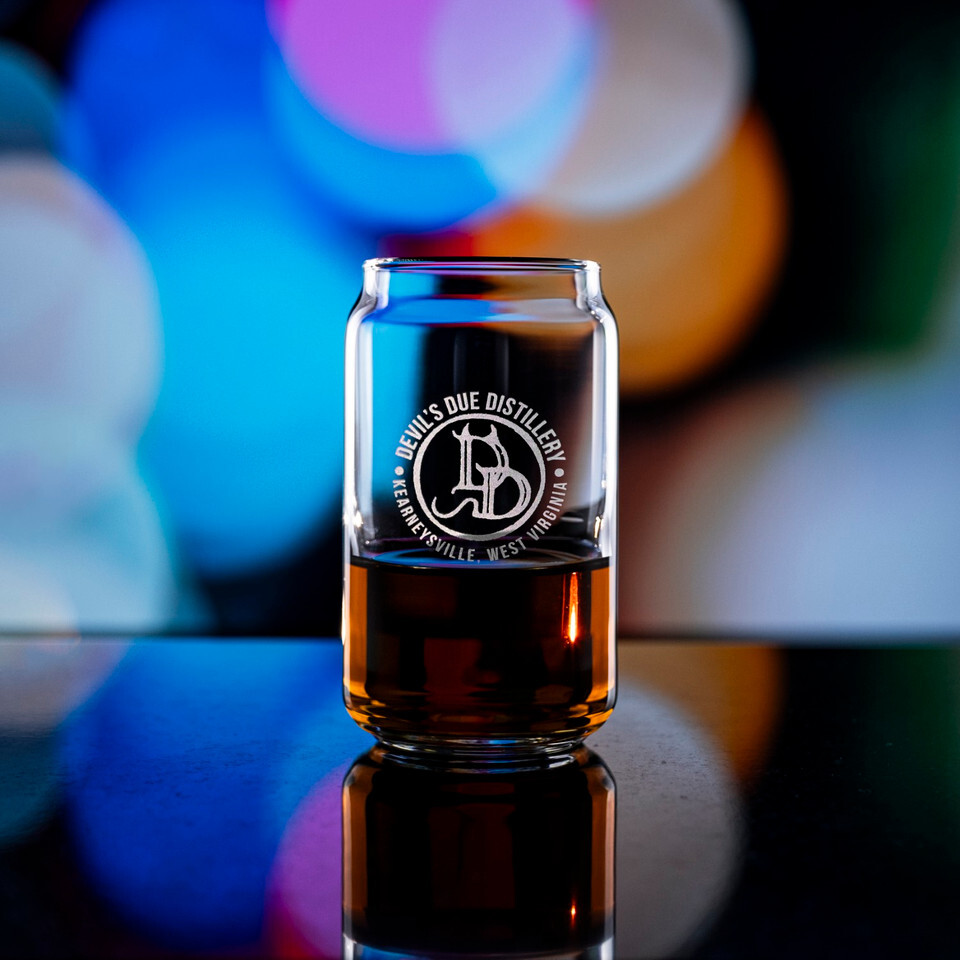
The 5 oz. Short Can Taster, 48/Case is particularly useful in this role. Its five-ounce capacity and straight-sided can-inspired shape make it appropriate for controlled samples of beer, cider, kombucha, and other beverages. It can also cross into whiskey service for neat bourbon, rye, and other spirit samples.
For breweries, distilleries, tasting rooms, festivals, and special events, that versatility can simplify glassware planning. A branded taster can move between a beer flight and a spirit sampling without making either presentation feel improvised. The compact shape also leaves enough visual presence for an engraved logo, turning a tasting vessel into part of the experience.
Pilsner Glasses Celebrate the Beer Itself
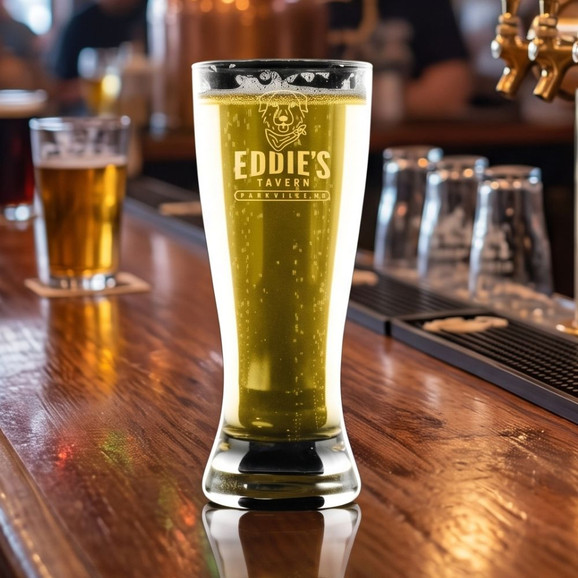
Pilsner glassware is one of the clearest examples of form following beverage. The tall silhouette gives the eye a long view of the beer, showcasing clarity, color, rising carbonation, and the head at the top of the glass.
The 12 oz. Grand Pilsner, 36/case uses a tall, gently tapered profile designed for pilsners, lagers, and other lighter beer styles. That shape helps maintain carbonation while providing room for a proper head, creating the crisp visual presentation guests expect from this category.
This is an important distinction for hospitality buyers. A pilsner served in an ordinary tumbler may taste perfectly acceptable, but the presentation loses some of the visual cues associated with the beer. In a dedicated pilsner glass, color, bubbles, foam, and branding all become part of the serve.
The Pint Remains a Hospitality Workhorse
Specialty shapes have their place, but there is a reason the pint glass remains a fixture behind so many bars. It is simple, recognizable, stack-friendly in many operations, and adaptable to more than beer.
The Classic Pint Glass, 24/case has a 16-ounce capacity and the familiar open profile associated with casual beer service. It is an easy fit for ales, lagers, draft beer, and tall refreshing pours, but its usefulness extends into cocktail service as well.
That versatility matters to restaurants and high-volume hospitality operations. Instead of reserving the glass for one specific beverage, operators can use a classic pint across draft service, mixed drinks, and bar programs where a straightforward vessel is appropriate.
It is also a natural retail piece. Guests immediately know what to do with a branded pint glass when they bring it home, which makes the format practical for brewery shops, distillery gift stores, event merchandise, and promotional sets.
Beer Mugs Change the Feel of Service
Where the pint glass is straightforward, a beer mug adds weight and personality. A substantial handle changes the physical interaction with the drink and can make the presentation feel more traditional, celebratory, or tavern-inspired.
The 14.5 oz. Craft Beer Mug, 24/case is a strong choice when the experience calls for that classic handled format. It works particularly well for craft beer service, brewery events, tasting-room releases, festivals, beer dinners, and branded merchandise.
The handle also gives the branding its own stage. In hospitality settings where glassware is photographed, carried through a dining room, or displayed behind the bar, an engraved mug can become a surprisingly visible extension of the brand.
Wine Bowls Need Room to Work
Wine glass design becomes especially interesting because the empty portion of the glass is useful space. A properly sized bowl leaves room above the wine for aromas to collect and allows the guest to swirl without filling the glass close to the rim.
The 16.5 oz. Revolution Wine Glass, 24/case is a lead-free crystal option with an angular bowl and sheer rim. Its generous capacity makes it suitable for both red and white wine service, while the bowl provides space for swirling and aromatic development.
For a slightly more generous format, the 16.75 oz. Copa Vino Wine Glass, 24/case uses a broad bowl and sheer rim to create a refined presentation suited to wine service, tasting rooms, fine dining, private events, and corporate entertaining.
These larger stemmed formats are especially useful when the glass itself needs to signal that wine service is an important part of the guest experience. A carefully chosen stemmed glass can make a standard table setting feel noticeably more polished before the wine is even poured.
Stemless Wine Glasses Offer Another Mood
Not every wine program needs traditional stemware. Stemless glasses create a more relaxed visual language while retaining a recognizable wine-glass bowl.
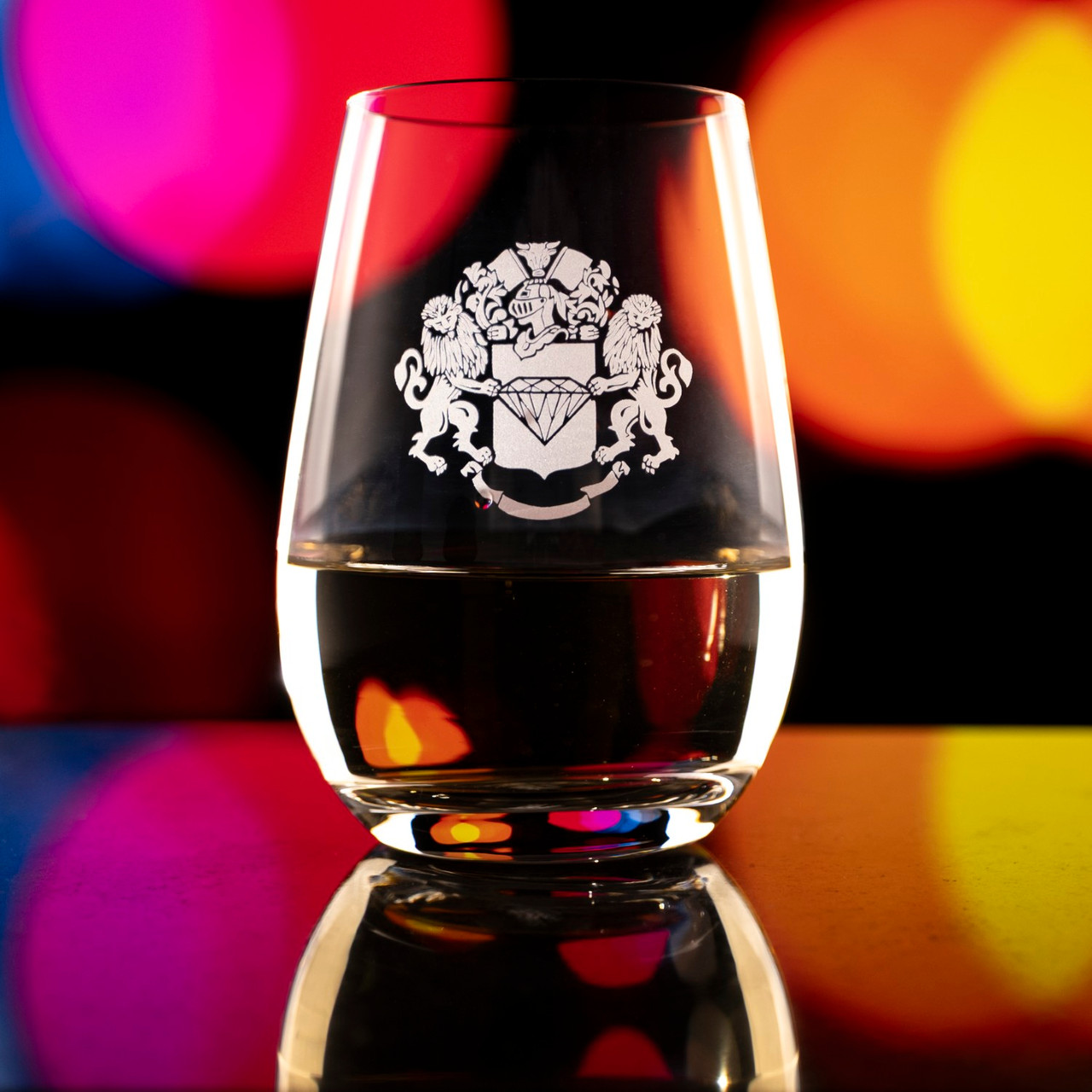
The 15.75 oz. Stolzle Stemless Wine Glass, 24/case is made from lead-free crystal and combines a generous wine capacity with a lower, contemporary profile. It is well suited to casual wine service, tasting rooms, outdoor hospitality, guest amenities, private events, and retail merchandise.
There is a practical tradeoff worth understanding: without a stem, the guest naturally holds the bowl. For a highly formal wine program where limiting hand contact with the bowl is important, traditional stemware may be preferable. For relaxed settings, however, stemless glassware can be comfortable, approachable, and visually distinctive.
Flutes Make Sparkling Service Feel Special
Sparkling wine needs its own consideration. Here, the goal is not simply aroma concentration; carbonation and visual presentation are major parts of the experience.
The 9 oz. Esquisit Flute Glass, 24/case uses a softly tapered, tulip-style bowl that helps preserve bubbles while directing aromas upward. It is designed for Champagne, Prosecco, sparkling wines, and celebratory sparkling cocktails.
For resorts, wedding venues, private clubs, corporate events, and restaurants, this is the kind of glassware that helps define an occasion. An engraved flute used for a welcome toast, anniversary dinner, or private event can also become a keepsake rather than simply another piece of service glassware.
Choose Glassware Across the Guest Journey
Hospitality buyers should think beyond what happens at the bar. The best glassware programs often connect several parts of the guest experience.
A resort might use stemmed wine glasses at dinner, branded stemless glasses in guest amenities, and engraved flutes for weddings. A distillery might use tasting glasses for flights, pints for beer collaborations, and premium wine glasses for private dinners. A private club may want consistent engraving across several different shapes so that the logo remains recognizable even as the beverage changes.
Retail adds another consideration: would a guest actually want the glass at home? Pint glasses, tasting glasses, beer mugs, wine glasses, and flutes can all become useful merchandise because they connect directly to an experience the customer already enjoyed.
Permanent branding is particularly valuable in those applications. Distillery Products uses HD engraving that physically removes material from the glass surface, so the logo does not rely on a printed decoration that can peel or wash away.
Build a Collection With Purpose
The strongest beer and wine glassware programs are rarely built around one universal glass. They use a small, purposeful group of shapes: a compact vessel for tastings, a pilsner or pint for beer, a versatile stemmed wine glass, perhaps a stemless alternative for casual settings, and a flute when sparkling service is important.
From there, branding can tie the collection together. For hospitality groups, restaurants, resorts, distilleries, tasting rooms, private clubs, and gift shops, engraved glassware can move naturally from beverage service to guest amenities, guided tastings, corporate gifts, retail merchandise, and special events without losing its practical purpose.
Explore the complete Beer and Wine glassware collection to compare beer, wine, tasting, cocktail, and specialty glass styles for your beverage program, branded merchandise, or next event.
Contact us today to request a quote on custom glassware for your distillery or event.