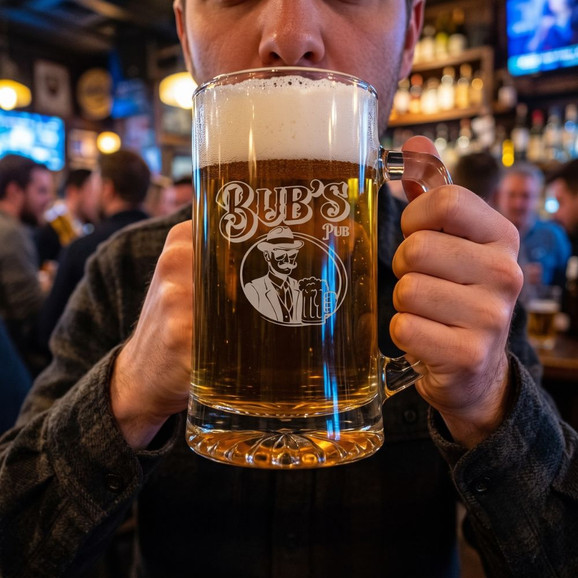
Match the Glass to the Beer
Posted by Distillery Products on 10th Aug 2026
Beer glassware is often treated as an afterthought: choose a pint, add a logo, and start pouring. From a glassware expert’s perspective, that approach misses an opportunity. The height, bowl shape, rim, capacity, and weight of a beer glass can influence aroma, carbonation, foam, visual presentation, and even the pace at which a guest enjoys the drink.
For breweries, resorts, restaurants, distilleries, tasting rooms, private clubs, and gift shops, premium glassware also helps define the quality of the experience. The right vessel can make a light lager look crisp and refreshing, give an aromatic ale more room to open, or turn a small tasting pour into a polished guided experience.
The key is not finding one glass for every beer. It is choosing a focused collection that supports the beverages, service style, and brand.
Why Beer Glass Shape Matters
Beer is unusually visual. Guests notice its color, clarity, rising bubbles, and head before they taste it. Tall glassware emphasizes carbonation and color, while wider bowls create more surface area for aromatic compounds to release.
The rim also affects the experience. A wide opening allows aroma to disperse more freely and supports generous foam, while a narrower upper section can guide aroma toward the nose. Capacity matters because beer needs enough room for a proper head; filling a glass to the rim may technically provide more liquid, but it can diminish presentation and aroma.
Buyers can compare these different formats in the full collection of custom beer glasses.
Tasters Turn Sampling Into an Experience
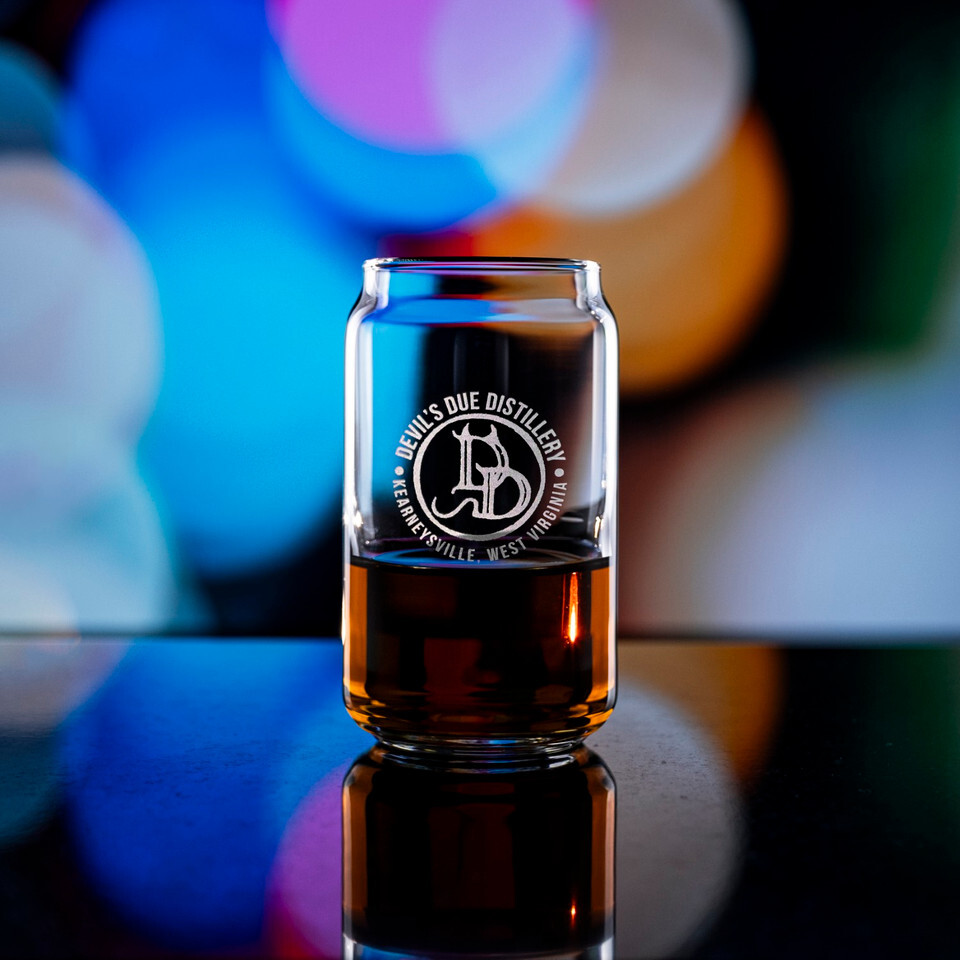
Beer flights are most successful when every pour feels deliberate. A glass that is too large can make a three- or four-ounce sample appear meager, while a compact tasting glass frames the same portion appropriately.
The 5 oz. Short Can Taster, 48/Case offers a contemporary, straight-sided format for beer flights, festival samples, guided tastings, and limited-release previews. Its five-ounce capacity provides room for a controlled pour and a modest head without overwhelming the sample.
The can-inspired silhouette also gives it useful crossover appeal. Distilleries and mixed beverage tasting rooms can use the same glass for beer collaborations, cider, ready-to-drink samples, and select spirit tastings. For gift shops, its distinctive shape makes it more memorable than a generic miniature pint.
Pilsners Showcase Clarity and Carbonation
Pilsner glasses are tall because the beer itself deserves a vertical stage. The shape draws attention to the beer’s color and rising carbonation while leaving room for a foamy head.
The 12 oz. Grand Pilsner, 36/case is well suited for pilsners, lagers, blonde ales, and other crisp, lighter-bodied styles. Its gently tapered profile creates a clean presentation without demanding an oversized pour.
For programs that prefer a full 16-ounce format, the 16 oz. Barlow Glass, 24/case provides a tall, slender shape designed to highlight clarity, carbonation, and foam. It is a practical choice for breweries, taprooms, resort bars, restaurants, and beer-focused events serving familiar lagers and approachable craft styles.
Larger service programs may also benefit from the 23 oz. Pub Pilsner, 24/case. Its generous capacity gives operators room for larger pours and a substantial head, making it appropriate for beer halls, festivals, celebratory service, and venues where a dramatic presentation is part of the experience.
The Pint Earned Its Place
The pint glass remains popular because it is adaptable, recognizable, and easy for guests to understand. It works across a broad range of ales, lagers, draft beers, mixed beer drinks, and casual cocktail service.
The Classic Pint Glass, 24/case is the straightforward hospitality workhorse. Its familiar 16-ounce format makes it useful for restaurants, bars, taprooms, festivals, and high-volume service where versatility is more important than matching every beer to a specialized vessel.
That simplicity also makes it excellent branded merchandise. Customers immediately recognize how they will use a pint glass at home, which lowers the barrier to gift-shop purchases. An engraved pint can commemorate a brewery visit, seasonal release, festival, anniversary, or private event without feeling overly specialized.
Pub Glasses Combine Tradition and Function
Traditional pub glasses offer more personality than a plain pint while remaining practical for everyday service.
The 20 oz. English Pub Glass, 36/case features the classic Nonic-style ridge associated with English pubs. That ridge adds visual character, improves grip, and supports stacking, while the generous capacity provides room for beer and a proper head.
This style is particularly effective for ales, bitters, stouts, porters, and other beers that benefit from a traditional pub presentation. It is also a smart choice for breweries and restaurants building an atmosphere around heritage, craftsmanship, or European-inspired beer service.
For guests, the shape creates an immediate expectation: this is not just a beverage in a glass; it is a pub-style pour.
Stemmed Beer Glasses Elevate Aromatic Styles
Stemmed beer glassware can bring refinement to beer service while also serving a practical purpose. Holding the glass by the stem limits direct hand contact with the bowl and keeps fingerprints away from the beer’s visual presentation.
The 16.75 oz. Berlin Beer, 24/case combines a graceful stem with a tall, tapered bowl. It is especially well suited to hazy IPAs, crisp lagers, aromatic ales, seasonal releases, and premium tasting events where clarity and aroma deserve attention.
This type of glass can help a resort, upscale restaurant, or private club distinguish its craft beer program from ordinary draft service. It also works beautifully for beer dinners and guided tastings, where each course and pour is meant to feel considered.
Handled Mugs Add Weight and Occasion
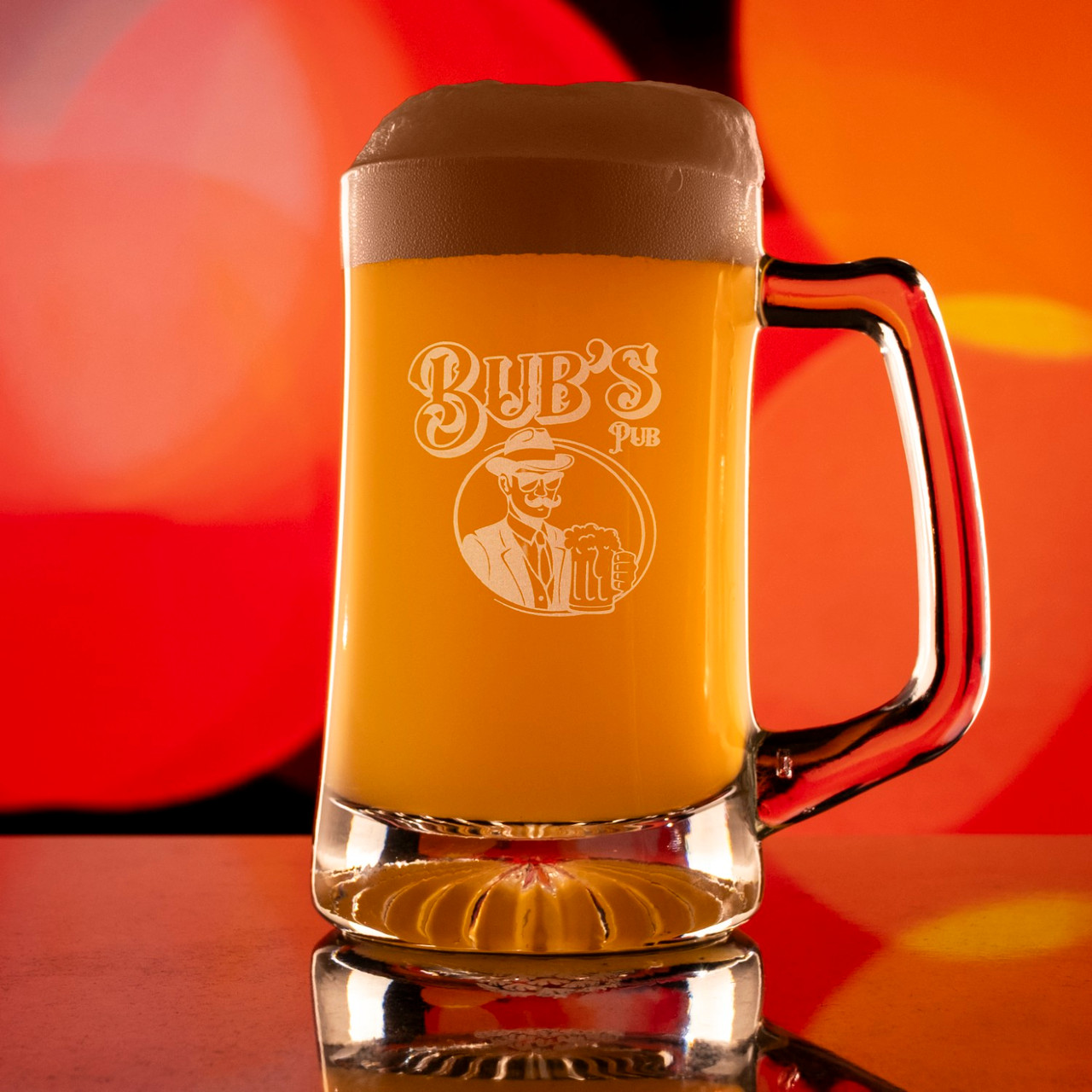
A beer mug creates a different physical experience. The handle gives the guest a secure grip, while the substantial body communicates durability and celebration.
The 14.5 oz. Craft Beer Mug, 24/case is a strong option for brewery releases, festivals, beer dinners, private clubs, resort events, and traditional tavern-style service. It works well for lagers, ales, seasonal beers, and branded event pours.
Mugs are especially appealing as retail merchandise because they feel substantial and collectible. A customer may purchase a branded mug as a souvenir, but the handle and durable profile also make it useful enough to become part of their regular home-bar rotation.
Contemporary Shapes Help Brands Stand Out
Not every beer program needs to look traditional. Modern glass shapes can make a brand feel more current and give guests something visually distinctive to photograph, remember, and purchase.
The 16 oz. Beer Can Glass, 36/case recreates the familiar curved silhouette of a beverage can in clear glass. Its shape works well for craft beer, hard seltzer, cider, ready-to-drink cocktails, and casual mixed beverages.
Because the glass resembles modern beverage packaging, it is especially useful for contemporary breweries, younger hospitality concepts, collaborative releases, and retail programs. The clear construction also lets guests see the beverage’s color and carbonation in a way an actual can cannot.
The 16 oz. Barrel Glass, 48/case offers another storytelling opportunity. Its barrel-inspired styling naturally connects to breweries, distilleries, barrel-aged beer programs, whiskey-barrel collaborations, and gift shops. For venues that produce or feature barrel-aged releases, the glass reinforces the story before the first sip.
Choosing Glassware for Hospitality
Begin with the beer list. A lager-focused program may prioritize pilsners and classic pints. A craft taproom serving IPAs, seasonal ales, and barrel-aged releases may benefit from stemmed glassware, pub glasses, and a distinctive specialty option.
Next, consider service volume. High-volume restaurants often need versatile shapes that are easy to store and replace. Resorts and private clubs may place greater emphasis on elegance and presentation. Tasting rooms need smaller formats that make controlled pours look polished.
Operational details matter, too. Buyers should evaluate storage, stacking, dishwasher compatibility, tray stability, logo placement, and whether the same glass will also be sold at retail.
From Taproom Glass to Keepsake
Premium engraved beer glassware can serve several roles at once. A glass may begin behind the bar, appear in a guided flight, become part of a corporate event, and later be sold in the gift shop.
That continuity is powerful. When guests purchase the same glass they used during a brewery tour or resort tasting, the merchandise already carries a memory. It is no longer simply a logo on glass; it is a reminder of the experience.
Custom beer glasses can also support membership programs, bottle-club releases, weddings, festivals, anniversaries, corporate gifts, and VIP packages. A coordinated selection of tasters, pints, pilsners, mugs, and specialty glasses gives hospitality groups flexibility without making the program feel random.
Let the Beer Choose the Glass
The best beer glass is not always the fanciest one. It is the glass that supports the beer’s aroma, carbonation, foam, color, serving size, and setting.
A focused glassware program might include a compact taster, a dependable pint, a tall pilsner, and one distinctive shape that reflects the brand. That small group can support everyday service, guided tastings, special events, and retail merchandise while keeping the beverage program visually consistent.
Explore the complete selection of premium custom beer glasses to compare tasters, pilsners, pints, pub glasses, mugs, stemmed designs, beer-can glasses, and branded specialty options for hospitality, gifting, events, and resale.
Contact us today to request a quote on custom glassware for your distillery or event.