Small Dashes, Bigger Cocktail Character
Posted by Distillery Products on 10th Aug 2026
Some of the most influential ingredients behind a whiskey bar are used in remarkably small quantities. Bitters may enter a cocktail a few dashes at a time, yet those concentrated botanical flavors can change its aroma, balance, finish, and overall personality. That makes the bottle dispensing them more important than its size might suggest.
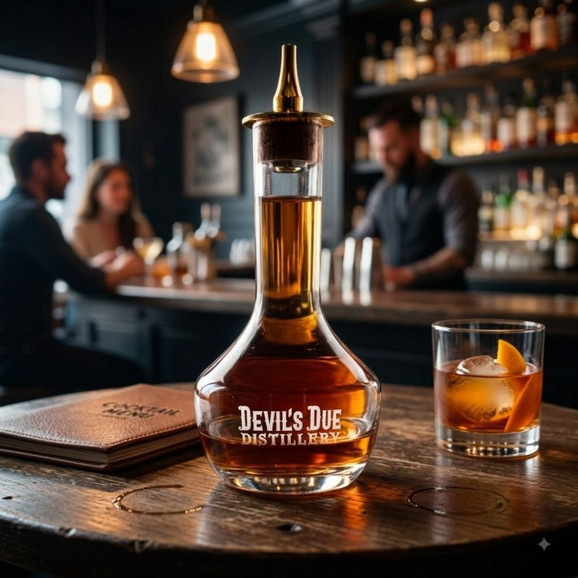
For restaurants, resorts, distilleries, tasting rooms, private clubs, and hospitality groups, a professional Bitters Bottle provides better control while also bringing a more polished look to the bar. For gift shops and branded retail programs, an engraved bottle can turn a working bartender tool into a distinctive piece of cocktail merchandise.
Why Bitters Deserve Their Own Bottle
Bitters are concentrated flavoring ingredients typically used in very small amounts. Depending on the formulation, they may contribute spice, citrus, herbs, roots, flowers, nuts, cocoa, fruit, or other aromatic elements to a cocktail.
Because the flavor is concentrated, control matters. An extra dash can noticeably change the balance of an Old Fashioned or Manhattan. A professional dasher bottle gives the bartender a more deliberate way to dispense those small quantities rather than pouring directly from a large container.
The bottle does not directly shape aroma in the same way a Glencairn or snifter does. Instead, it controls an ingredient that later becomes part of the aroma rising from the finished drink. In that sense, the bitters bottle works behind the scenes while the serving glass completes the sensory experience.
The Dasher Controls the Cocktail
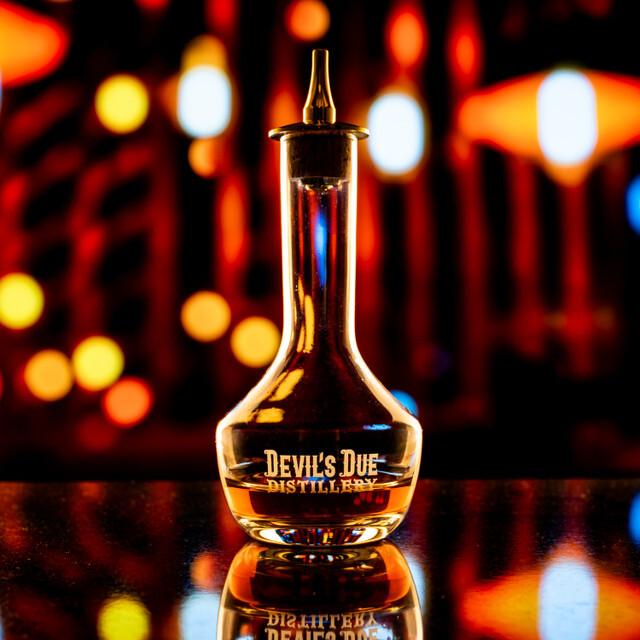
The defining feature of a bitters bottle is not simply the glass body; it is the dasher. A narrow dasher opening helps dispense bitters in small, repeatable amounts.
The Gold Bitters Bottle, 20/case uses a corked gold-plated dasher designed specifically for professional cocktail preparation. Its three-ounce capacity is compact enough to sit comfortably on a working bar while holding enough bitters for regular service.
This style is best used for house bitters, aromatic bitters, citrus bitters, floral formulations, chocolate or nut-forward bitters, and other concentrated cocktail ingredients that bartenders want to dispense with greater control.
That control is particularly valuable in whiskey cocktails because small changes can alter the relationship among sweetness, alcohol, spice, oak, and citrus.
Bitters Can Change Whiskey Without Hiding It
One of the best uses for bitters is adding complexity without adding much liquid volume.
In an Old Fashioned, aromatic bitters can connect the whiskey and sugar while adding spice and botanical notes. Orange bitters can emphasize citrus characteristics already present in bourbon or rye. Chocolate bitters may reinforce darker barrel notes, while walnut or other nut-driven bitters can add an earthy dimension.
Because the volume is small, the whiskey can remain the dominant ingredient. That makes bitters particularly useful when a beverage program wants to create signature cocktails that still clearly showcase the house spirit.
For a distillery tasting room, this can also become educational. Guests can first taste the whiskey neat in a Glencairn or other nosing glass, then experience the same whiskey in a cocktail where bitters have been used to emphasize specific flavors.
Aroma Begins Before the First Sip
From a whiskey glassware perspective, aroma is one of the most interesting reasons to pay attention to bitters.
Aromatic ingredients can become noticeable as soon as the cocktail approaches the nose. Citrus, clove, cinnamon, herbs, cocoa, flowers, or other botanical notes can combine with the natural aroma of the whiskey.
The final glass determines how those aromas are presented. A Manhattan served in a Nick & Nora provides a relatively focused aromatic opening. An Old Fashioned in a rocks glass creates a broader surface, while a tall highball presents aromatics alongside mixer, carbonation, and garnish.
The bitters bottle contributes to that final experience by controlling how much concentrated flavor reaches the drink in the first place.
Clear Glass Makes Bitters Part of Display
Bar presentation matters, particularly in venues where guests can watch cocktails being prepared.
The Gold Bitters Bottle, 20/case is made from clear soda-lime glass, allowing the color of the bitters inside to remain visible. This can be surprisingly effective on a professional bar because bitters vary dramatically in appearance—from pale amber and bright orange to deep brown or reddish tones.
Instead of hiding those ingredients in commercial packaging, a coordinated bitters bottle can make the working bar feel more intentional.
The gold-plated corked dasher adds another visual element. For luxury resorts, private clubs, cocktail lounges, wedding bars, and upscale restaurants, gold accents can coordinate naturally with premium shakers, jiggers, barspoons, strainers, and cocktail picks.
Three Ounces Is a Practical Working Size
Capacity affects workflow even with something as small as bitters.
The Gold Bitters Bottle holds approximately three ounces, or 90 milliliters. That size provides useful working volume without requiring a large bottle to occupy valuable bar space.
A smaller vessel can also encourage better organization. Bars offering several types of bitters can keep multiple clearly identified bottles together, allowing bartenders to select the appropriate flavor quickly.
For example, a whiskey-focused bar might keep aromatic, orange, chocolate, and walnut bitters available for different cocktails. Coordinated bottles create a cleaner presentation while individual labels, engravings, or other identification methods help staff distinguish between them.
Bitters Bottles Support Signature Cocktails
For hospitality groups and distilleries, bitters can become an easy way to create cocktails that feel proprietary.
A resort could develop a house Old Fashioned using local citrus bitters. A distillery might create bitters incorporating botanicals that complement its flagship bourbon. A private club could develop a signature Manhattan with its own spice profile.
The bottle then becomes part of the ritual. Guests watching the bartender add a carefully measured dash see another layer of craftsmanship rather than simply watching ingredients being poured together.
That visible technique is particularly effective in tasting rooms and open bars, where cocktail preparation is part of the entertainment.
Branded Bitters Bottles Add Identity
The current Bitters Bottles collection supports HD engraving, allowing a distillery, resort, restaurant, private club, or hospitality brand to place its logo directly on the bottle.
This creates a subtle but useful branding opportunity. Bitters bottles often sit in highly visible areas near mixing glasses, jiggers, and cocktail tools. Unlike temporary commercial packaging, an engraved bottle can become part of the permanent appearance of the bar.
For multi-property hospitality groups, matching engraved bitters bottles can also contribute to consistent visual standards across several bars or restaurants.
From Working Bar to Gift Shop
A professional bitters bottle can also translate naturally into retail merchandise, particularly for customers interested in cocktails and home mixology.
The Gold Bitters Bottle, 20/case comes packaged in a custom-designed gift box, which makes it suitable for tasting-room stores, resort boutiques, corporate gifts, cocktail classes, and home-bar gift sets.
A distillery could package the bottle alongside its own house bitters and an Old Fashioned recipe. A resort might combine it with a jigger and barspoon. A cocktail-themed gift set could include the bitters bottle, mixing glass, strainer, and engraved serving glasses.
Buyers can also explore additional preparation accessories on the Mixology Tools page to build coordinated branded sets for retail or gifting.
Choosing Bitters for Tasting Experiences
Bitters can also become useful educational tools during guided whiskey experiences.
One approach is to pour a whiskey neat into tasting glassware and let guests evaluate its natural aroma. A second small sample can then receive a carefully controlled dash of bitters so guests can observe how the added botanicals change their perception.
This does not mean bitters should be added to every premium whiskey. The purpose is comparison and education. Showing how orange, aromatic, or chocolate bitters interact with the same base spirit can teach guests why specific bitters appear in different cocktail recipes.
For distilleries, that kind of demonstration connects neat tasting with mixology in a way that feels natural rather than sales-driven.
Build a More Intentional Cocktail Station
Hospitality buyers should think about bitters bottles as part of a larger working system. Consider the number of bitters varieties being used, how quickly each one turns over, how the bottles will be identified, and where they will sit in relation to jiggers, mixing glasses, shakers, and other tools.
Consistency matters in guest-facing environments. Matching bottles, polished tools, organized garnishes, and appropriate serving glassware can make the bar feel noticeably more professional even when guests cannot identify exactly why.
For retail buyers, think about how the product will be demonstrated. A bottle displayed beside bitters, whiskey, and cocktail recipes communicates its usefulness much more effectively than an empty bottle sitting by itself.
A Small Bottle With Big Influence
Bitters may appear in a cocktail by the dash, but their effect can be much larger than the volume suggests. They can sharpen citrus, reinforce spice, deepen barrel flavors, introduce botanicals, and help connect the ingredients of a whiskey cocktail.
A professional bitters bottle gives bartenders better control over that process while contributing to the visual organization and branding of the bar.
For restaurants, resorts, distilleries, tasting rooms, private clubs, hospitality groups, and gift shops, the right bottle can move easily between professional service, cocktail education, branded events, corporate gifting, and retail merchandise.
Explore the Bitters Bottles collection to discover professional custom-engraved bar glassware designed for precise cocktail preparation, premium presentation, gifting, and branded hospitality programs.
Contact us today to request a quote on custom glassware for your distillery or event.