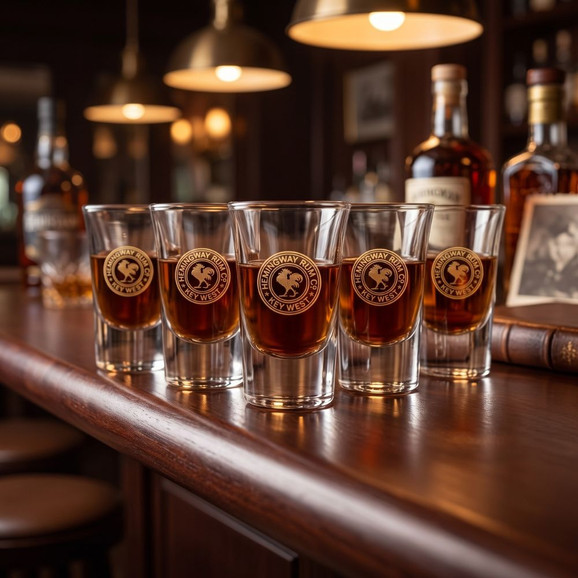
Small Glasses, Serious Whiskey
Posted by Distillery Products on 10th Aug 2026
A shot glass may be one of the smallest pieces of glassware behind the bar, but size does not make it simple. Change the height, rim, bowl, base, or capacity and you can completely change how a spirit is presented—and how a guest experiences it.
For hospitality buyers, the first question should not be, “Which shot glass looks best?” It should be, “What do we want this glass to do?” A traditional shot, a guided whiskey tasting, a souvenir pour, and a premium dram all call for slightly different glassware. Understanding those differences makes it easier to choose shot glasses that fit both the beverage program and the brand.
Traditional Shot Glasses: Simple by Design
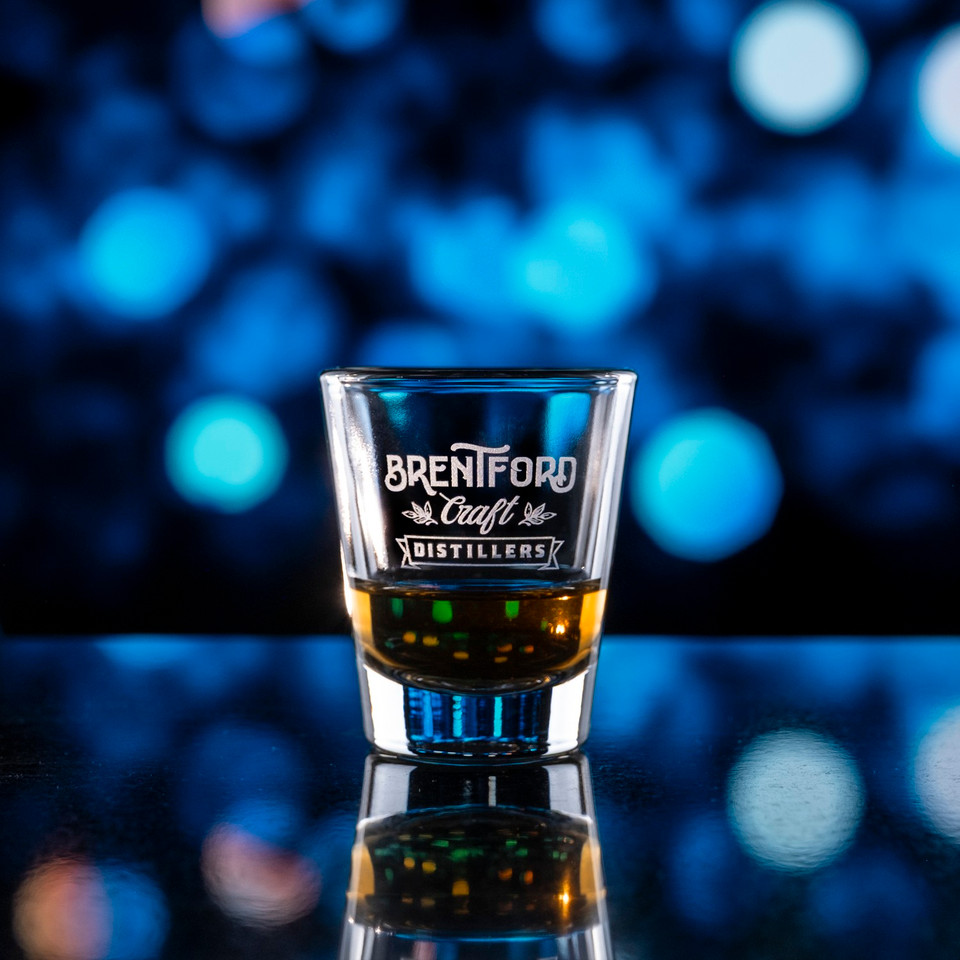
The familiar straight-sided shot glass remains indispensable because it is compact, recognizable, and easy to incorporate into busy beverage service. Its relatively open shape does not concentrate aroma the way a dedicated whiskey tasting glass does, but that is not necessarily its job. Traditional shot glasses excel at measured pours, chilled spirits, shooters, cocktail components, and high-volume service.
The 2 oz. Prism Shot, 72/case is a good example of this versatility. Its clean, modern profile works well for straightforward spirit service while providing a simple surface for an engraved logo. That combination also makes it practical for gift shops, branded events, and commemorative merchandise.
For a smaller serving format, the 1 oz. Bourbon Sip, 72/case offers a more controlled capacity. Its flared rim gives it a slightly different drinking profile from a completely straight-sided shot glass, while the one-ounce size makes it useful for tasting portions and small samples. For distilleries offering multiple spirits in one flight, smaller capacities can help create a more deliberate tasting experience without requiring oversized pours.
When the Shot Becomes a Dram
A dram glass changes the conversation. Instead of encouraging a quick drink, its shape invites the guest to slow down and pay attention.
That distinction is important for distilleries, whiskey bars, private clubs, and tasting rooms. A premium whiskey sample deserves enough room for the guest to observe its color, approach the aroma gradually, and take smaller sips.
The Wee Glencairn Dram, 72/case brings the recognizable Glencairn profile into a compact format. Its curved body and narrower opening make it more appropriate for exploring whiskey than a conventional straight shot glass. It is especially useful for tasting flights, educational events, and smaller guided pours where presentation still matters.
Another option is the Glencairn® Burns Dram, 48/case. Rather than treating the serving as a simple “shot,” a dram-style glass visually communicates that the spirit is intended to be appreciated. That subtle cue can influence the entire pace of the guest experience.
Why Shape Matters for Aroma
Whiskey aroma is strongly affected by what happens above the liquid. A wide-open glass allows aromatic compounds to disperse quickly. A glass with a broader lower section and narrower opening can help gather those aromas and direct them toward the nose.
This is why tasting and nosing glasses tend to look different from traditional shot glasses. The objective is not simply to hold a small quantity of whiskey; it is to give that quantity enough interior space to release aroma.
For hospitality groups developing guided tastings, this distinction can be useful when creating tiers of service. A welcome shot or cocktail component may belong in traditional shot glassware, while an aged bourbon, single malt, or limited release may benefit from a dram, Glencairn, or snifter-style vessel.
Snifter-style glassware follows the same principle on a larger scale. The rounded bowl provides room for the spirit to move and release aroma, while the narrower opening helps concentrate those aromas. Although traditionally associated with brandy and cognac, the format can also suit contemplative pours of aged spirits. The goal is entirely different from a quick shot: this is glassware designed around aroma, sipping, and time.
Presentation Can Change the Perceived Occasion
One of the easiest ways to understand shot glass design is to imagine the same whiskey served in two different vessels.
Put it in a basic straight shot glass and the presentation feels casual. Put that same measured pour into a shaped dram glass and place it on a tasting board with tasting notes, and suddenly the guest expects to examine it.
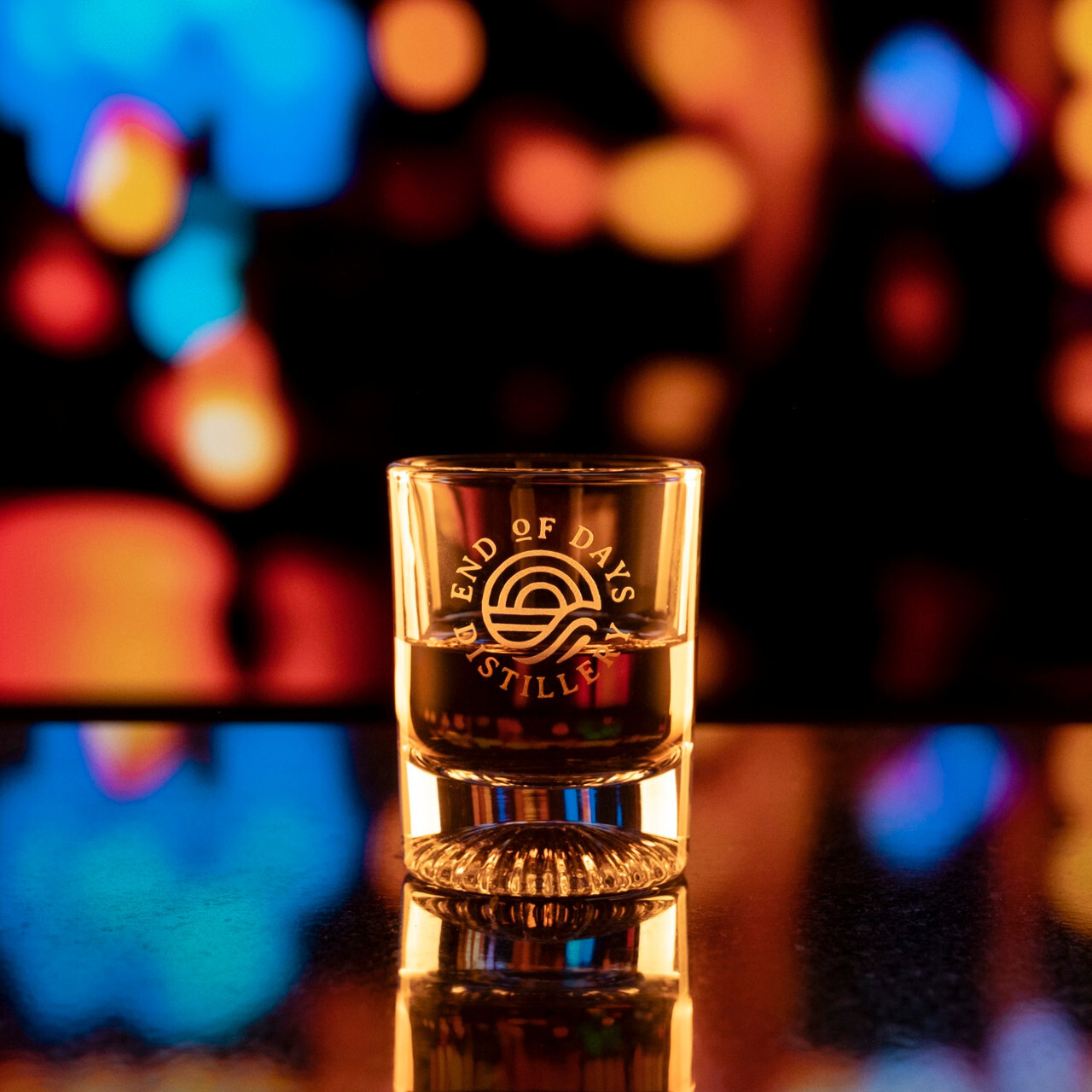
Distinctive shot glasses can create a similar visual effect even when the service remains casual. The 1.5 oz. Venus Shot Glass, 48/case, for example, incorporates a shell-style base. A detail like this gives the glass more visual personality on a bar, tasting table, or retail shelf.
The 2 oz. Stolzle New York Bar Shot Glass, 48/case takes a more refined approach to the traditional shot format. For restaurants, resorts, cocktail bars, and private clubs, this type of glass can help keep shot service visually consistent with a more polished overall beverage program.
Think Beyond Straight Spirits
Shot glasses are also useful tools for cocktail programs. Larger-capacity versions can accommodate miniature cocktails, layered drinks, dessert pours, tasting-menu pairings, and welcome drinks.
A two-ounce glass gives bartenders more flexibility than a very small shot glass, particularly when a recipe includes multiple ingredients. The extra room can also make color, layering, and garnish more visible.
This creates opportunities beyond the traditional bar. Resorts can use miniature cocktails as welcome amenities. Restaurants can pair small drinks with courses or desserts. Event venues can create branded signature shots. Distilleries can use the same glassware for spirit samples during the day and cocktail experiences during evening events.
Instead of asking whether a glass is technically a “shot glass,” buyers should consider what volume, shape, and presentation best support the intended drink.
Build a Tasting Program with Purpose
For guided whiskey tastings, consistency matters. Guests should receive comparable portions, and the glass should make it easy to observe each spirit without becoming a distraction.
A useful approach is to build the glassware program around the level of evaluation involved. Casual sampling can work beautifully in a compact shot or sip glass. Comparative whiskey flights benefit from dram-style vessels. More analytical tastings may justify larger nosing or snifter-style glassware that provides additional room for swirling and aroma development.
Using different glasses intentionally can even become part of the education. Showing guests how the same spirit behaves in a straight shot glass and a narrowed tasting glass can demonstrate why professional tasting glassware is shaped the way it is.
Branded Glassware Has a Second Life
For distilleries, resorts, clubs, and hospitality groups, premium glassware can continue working after the drink is gone.
A custom engraved shot or dram glass can become a retail souvenir, tasting-room keepsake, corporate gift, wedding or event favor, VIP amenity, or commemorative piece. Distillery Products notes that its HD engraving is permanent because the mark is created by physically removing material from the glass rather than applying a surface decoration.
This makes compact glassware particularly interesting for gift shops. Shot and dram glasses are small, recognizable, easy for guests to display, and closely associated with the beverage experience they just enjoyed.
A guest who takes home the same branded glass used during a memorable tasting is not simply buying glassware. The glass becomes a physical reminder of the visit.
Choosing the Right Shot Glasses
Hospitality buyers should start with use rather than appearance. Consider the typical pour size, whether aroma evaluation is important, how much space is available on tasting boards, the types of cocktails being served, and whether the glass will also be offered for retail.
Restaurants and high-volume bars may benefit from versatile traditional shot glasses. Distilleries should consider keeping both straightforward sampling glasses and aroma-focused dram glassware available. Resorts and private clubs may want a more distinctive design that complements their existing tabletop presentation. Gift shops can benefit from offering more than one style so customers can choose between a classic souvenir and a more specialized whiskey glass.
Branding should also be considered early. A logo needs to work with the available engraving area without overwhelming the glass. On small-format glassware, a clean, simplified mark often creates a stronger presentation than trying to reproduce excessive detail.
The Right Glass Sets the Tone
Shot glassware occupies an interesting place in beverage service. It can be casual or ceremonial, practical or collectible, designed for a quick cocktail or for slowly exploring a whiskey's aroma. The difference comes down to choosing the vessel for the experience rather than treating every small glass as interchangeable.
For hospitality groups, restaurants, resorts, distilleries, tasting rooms, private clubs, and retailers, that creates plenty of room to be intentional. The right combination of traditional shots, sipping glasses, Glencairn-style glasses, and drams can support everything from everyday bar service to premium guided tastings and branded merchandise.
Explore the complete collection of Shot Glasses to compare classic shot designs, compact Glencairn glasses, dram glasses, and distinctive options for beverage service, tastings, events, gifting, and retail.
Contact us today to request a quote on custom glassware for your distillery or event.