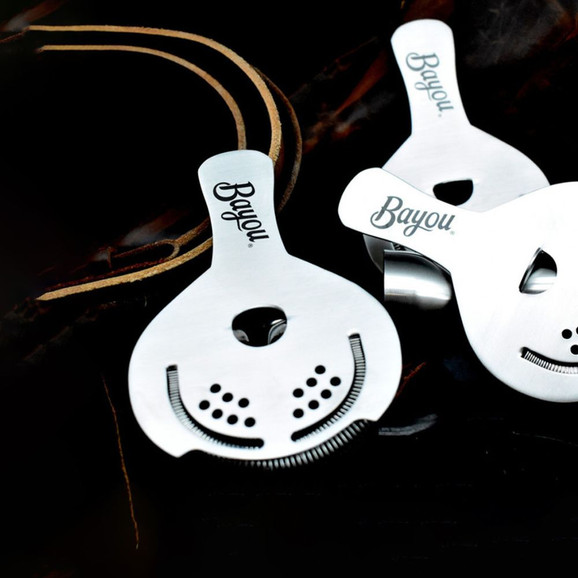
The Final Pour Starts Here
Posted by Distillery Products on 10th Aug 2026
A cocktail may be measured with a jigger, chilled in a shaker, or stirred in a mixing glass, but there is still one important step before it reaches the guest: the strain. That moment determines what travels into the serving glass and what stays behind.
For whiskey cocktails, that can mean separating the finished drink from spent ice, fruit fragments, herbs, or other ingredients while preserving the temperature, dilution, texture, and appearance the bartender intended. For hospitality groups, resorts, restaurants, distilleries, tasting rooms, private clubs, and gift shops, premium cocktail strainers can also contribute to the visual quality of the bar and become useful branded merchandise beyond daily service.
Why Straining Changes the Finished Drink
A strainer does not directly alter whiskey aroma in the way a Glencairn, snifter, or other tasting glass does. Its influence comes one step earlier. By controlling which solids and ice enter the serving glass, the strainer helps determine the cocktail's final texture and appearance.
Consider a Manhattan stirred over ice. Once the drink has reached the desired temperature and dilution, the spent mixing ice has done its job. Straining the cocktail into a chilled coupe or Nick & Nora removes that ice so the drink does not continue diluting at the same rate.
An Old Fashioned prepared in a mixing vessel may instead be strained over fresh ice in a rocks glass. The serving glass then takes over, affecting aroma, temperature, presentation, and how the guest experiences the drink.
The strainer therefore acts as the bridge between preparation and presentation.
Hawthorne Strainers Offer Cocktail Versatility
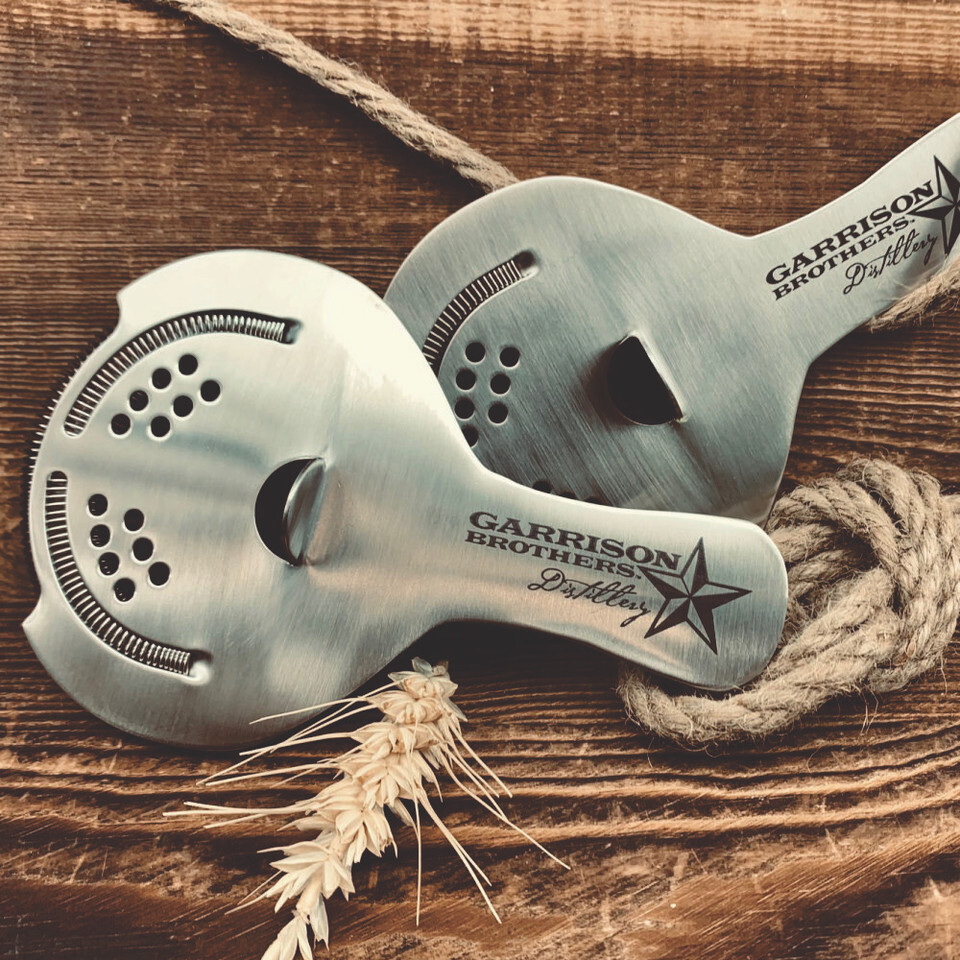
The Hawthorne is one of the most recognizable professional cocktail strainers. Its defining feature is the coiled spring around the edge, which helps hold back ice and larger solids as liquid passes into the serving glass.
The Brushed Hawthorne Strainer, 20/case is a strong all-purpose choice for professional cocktail service. Made from heavy-gauge 304 stainless steel with a brushed finish, it is designed to fit both standard and large mixing glasses.
This style is best used for Manhattans, Old Fashioneds, Boulevardiers, Whiskey Sours, shaken cocktails, and other drinks where the bartender needs controlled separation from mixing ice and ingredients. Its tightly wound spring also supports a smooth, controlled pour.
For busy restaurants and distillery cocktail programs, the brushed finish has another advantage: it feels professional without demanding attention. It coordinates easily with stainless jiggers, barspoons, shaker tins, and other working bar tools.
Polished Stainless Creates a Cleaner Look
The same basic strainer style can create a noticeably different impression simply through finish.
The Polished Hawthorne Strainer, 20/case combines heavy-gauge 304 stainless steel with a polished stainless finish. It retains the practical spring design and compatibility with standard and large mixing glasses while giving the tool a brighter, more reflective appearance.
This makes the polished version particularly suitable for hotel lounges, upscale restaurants, resort bars, modern distilleries, and open cocktail stations where the tools remain visible throughout service.
A reflective finish can also visually connect the strainer with polished shaker tins, jiggers, and other premium equipment, creating a more coordinated bar presentation.
Gold Makes the Strain Part of Service
When cocktail preparation takes place in front of the guest, tools become part of the performance. A bartender measuring, stirring, straining, and garnishing a drink is creating an experience as well as a beverage.
The Gold Hawthorne Strainer, 20/case uses a gold-plated finish over heavy-gauge 304 stainless steel. The spring and strainer head are designed for a controlled split pour, while the gold finish gives the tool substantially more visual presence.
This style is especially appropriate for luxury resorts, premium cocktail bars, private clubs, wedding venues, VIP events, and tasting-room programs where elevated presentation is part of the brand.
Gold can also work beautifully beside crystal-style glassware and amber whiskey cocktails. The finish does not change the flavor of the drink, but it can change the perception of the service surrounding it.
Copper Feels Naturally at Home With Whiskey
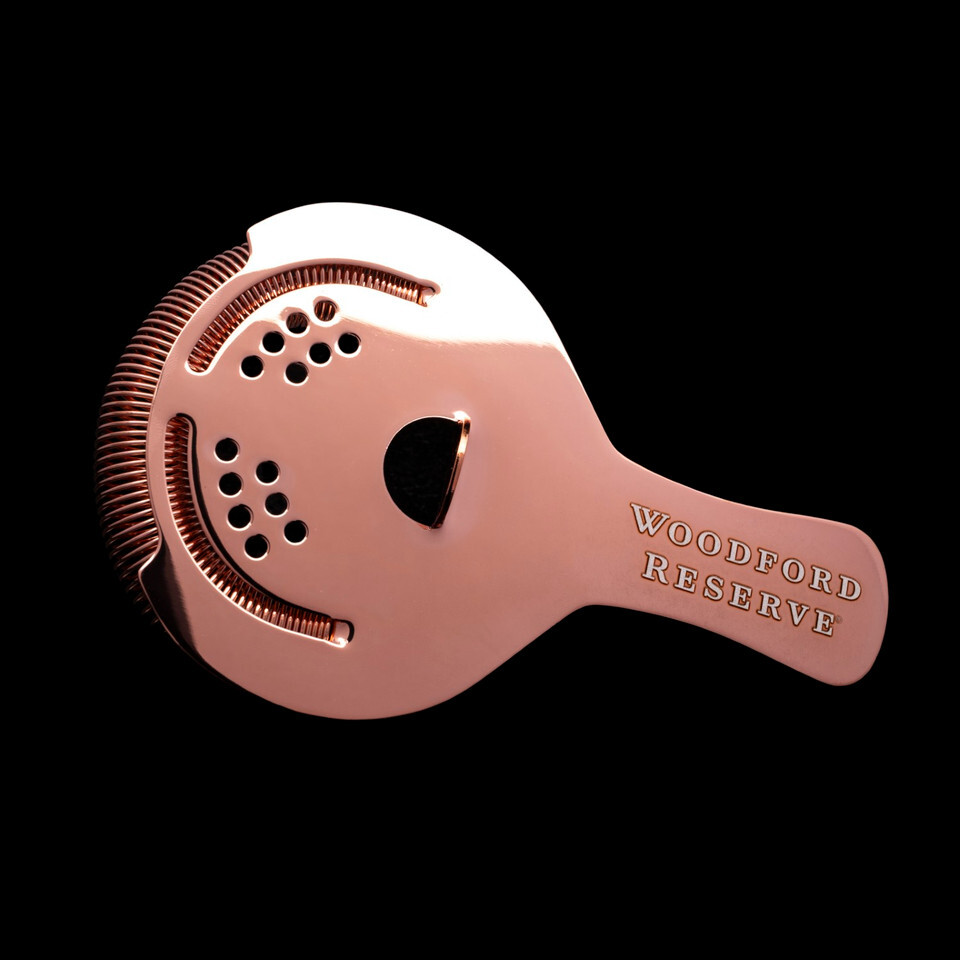
Whiskey environments often feature warm materials: oak barrels, leather, dark wood, amber spirits, and copper-toned accents. A copper-finished strainer can reinforce that visual language.
The Copper Hawthorne Strainer, 20/case is made from heavy-gauge 304 stainless steel with a copper-plated finish. Like the other Hawthorne styles, it is designed to work with standard and large mixing glasses while providing controlled flow during the final pour.
It is particularly well suited to bourbon bars, craft distilleries, lodge resorts, whiskey lounges, barrel-themed cocktail programs, and hospitality concepts that already use copper accents throughout the beverage presentation.
Copper bar tools can also pair naturally with Moscow Mule mugs, copper barspoons, cocktail picks, and other accessories when buyers want a coordinated collection rather than a mix of unrelated finishes.
Julep Strainers Serve a Different Purpose
The Julep strainer takes a noticeably different approach. Instead of relying on a spring, the traditional design uses a perforated bowl to hold back ice while allowing the cocktail to pass through.
The Gold Julep Strainer, 20/case offers this classic format in a gold finish. A Julep strainer is especially useful with stirred cocktails prepared in a mixing glass, making it a natural companion to Manhattans, Martinis, Boulevardiers, and other spirit-forward drinks.
For whiskey-focused beverage programs, the Julep style can feel particularly elegant because it reinforces the slower, more deliberate ritual associated with stirred cocktails. Rather than snapping onto a shaker tin, it rests against the mixing vessel while the bartender controls the pour.
This is a strong choice for cocktail lounges, private whiskey dinners, premium tasting events, and venues where traditional bartender technique is part of the guest experience.
Strainers Help Protect Texture and Clarity
The difference between a polished cocktail and a careless one is often visible immediately. Unexpected ice chips, large fruit fragments, or loose herbs can change the way a drink looks and feels in the mouth.
A properly selected strainer helps the bartender control those elements. Hawthorne strainers work especially well after shaking because the spring can hold back larger pieces of ice and ingredients. Julep strainers are well suited to stirred drinks where the primary goal is separating the chilled cocktail from mixing ice.
For especially fine filtration, bartenders may sometimes use an additional fine-mesh strainer, particularly with drinks containing citrus pulp, herbs, or small ice fragments. That process is commonly known as double straining.
The desired result depends on the cocktail. A rustic drink served over crushed ice may not require the same clarity as a Whiskey Sour served up in a coupe. The best technique should support the intended presentation rather than following one rule for every drink.
Serving Glassware Completes the Experience
Once the strain is complete, the serving glass becomes the focus.
A Manhattan strained into a Nick & Nora creates a compact, elegant presentation. A whiskey cocktail in a coupe offers a broader aromatic surface. An Old Fashioned served over fresh ice in a rocks glass creates an entirely different pace and drinking experience.
Glencairn glasses, dram glasses, and snifters belong primarily to neat spirit and tasting service rather than cocktail straining. Their bowl shapes are intended to support aroma evaluation and sipping, while the strainer's job is preparation.
For guided tastings, strainers may still have a supporting role when tasting rooms demonstrate whiskey cocktails alongside neat samples. Guests can experience the same spirit first in a nosing glass and then in a carefully prepared cocktail, showing how different tools and glassware transform the service experience.
Choosing Strainers for Hospitality Programs
Buyers should consider how cocktails are actually prepared before selecting a strainer program. Bars that rely heavily on shaker tins will likely find Hawthorne strainers indispensable. Cocktail programs centered on stirred classics may also benefit from Julep strainers.
Finish should reflect the venue. Brushed stainless offers practical versatility, polished stainless feels clean and contemporary, gold provides a luxury accent, and copper complements warm whiskey-focused environments.
Compatibility with mixing glasses and shaker tins, comfort in the hand, durability, cleaning requirements, and engraving area should all be considered. A premium-looking tool is only valuable if it also performs reliably during repeated service.
Professional Tools Make Strong Merchandise
Strainers can also move beyond the working bar. Each featured strainer provides an area for custom logo engraving, allowing restaurants, resorts, distilleries, private clubs, and hospitality groups to turn a professional tool into a branded product.
A custom strainer can be sold individually or paired with a mixing glass, shaker, jigger, barspoon, and recipe card as part of a home cocktail set. Distilleries can create kits built around signature whiskey cocktails, while resorts can use engraved bar tools for corporate gifts, wedding packages, VIP amenities, or mixology classes.
Because the customer can continue using the strainer at home, the branding remains associated with an experience rather than becoming a disposable promotional item.
Finish the Cocktail With Intention
Straining is one of the final actions a bartender performs before a cocktail reaches the guest, which makes it easy to underestimate. Yet that step helps control ice, texture, clarity, dilution, and the transition from preparation vessel to serving glass.
The best strainer program does not need dozens of options. A dependable Hawthorne may handle most everyday cocktails, while a Julep strainer adds a traditional option for stirred drinks. From there, the finish can help connect the tools to the visual identity of the venue.
Explore the complete collection of Premium Strainers to compare brushed, polished, gold, copper, Hawthorne, and Julep styles for cocktail service, distillery programs, hospitality branding, corporate gifting, special events, and retail merchandise.
Contact us today to request a quote on custom glassware for your distillery or event.